For many business owners, deciding between commercial roof replacement vs repair can feel overwhelming. Your roof protects your building, your tenants, and your daily operations, so the wrong choice can lead to unnecessary cost, repeated damage, or downtime you didn’t plan for.
In Marin County and across the San Francisco Bay Area, commercial properties face unique challenges—from coastal moisture to temperature swings. Understanding when a repair makes sense and when a replacement is the smarter investment helps protect your commercial property long term.
This guide breaks down how to make that decision clearly, confidently, and without wasting money.
Understanding Your Commercial Roof and Why It Matters
A commercial roof is more than a surface covering. It’s a complete roof system designed to protect a commercial building from water intrusion, heat loss, and structural damage.
Most Bay Area properties use flat roof designs paired with specific commercial roofing systems. Common options include modified bitumen, epdm roofing, and other roofing membranes designed for durability.
Knowing the type of roofing on your building helps clarify what kind of roof work is possible and how long the roof is expected to last.
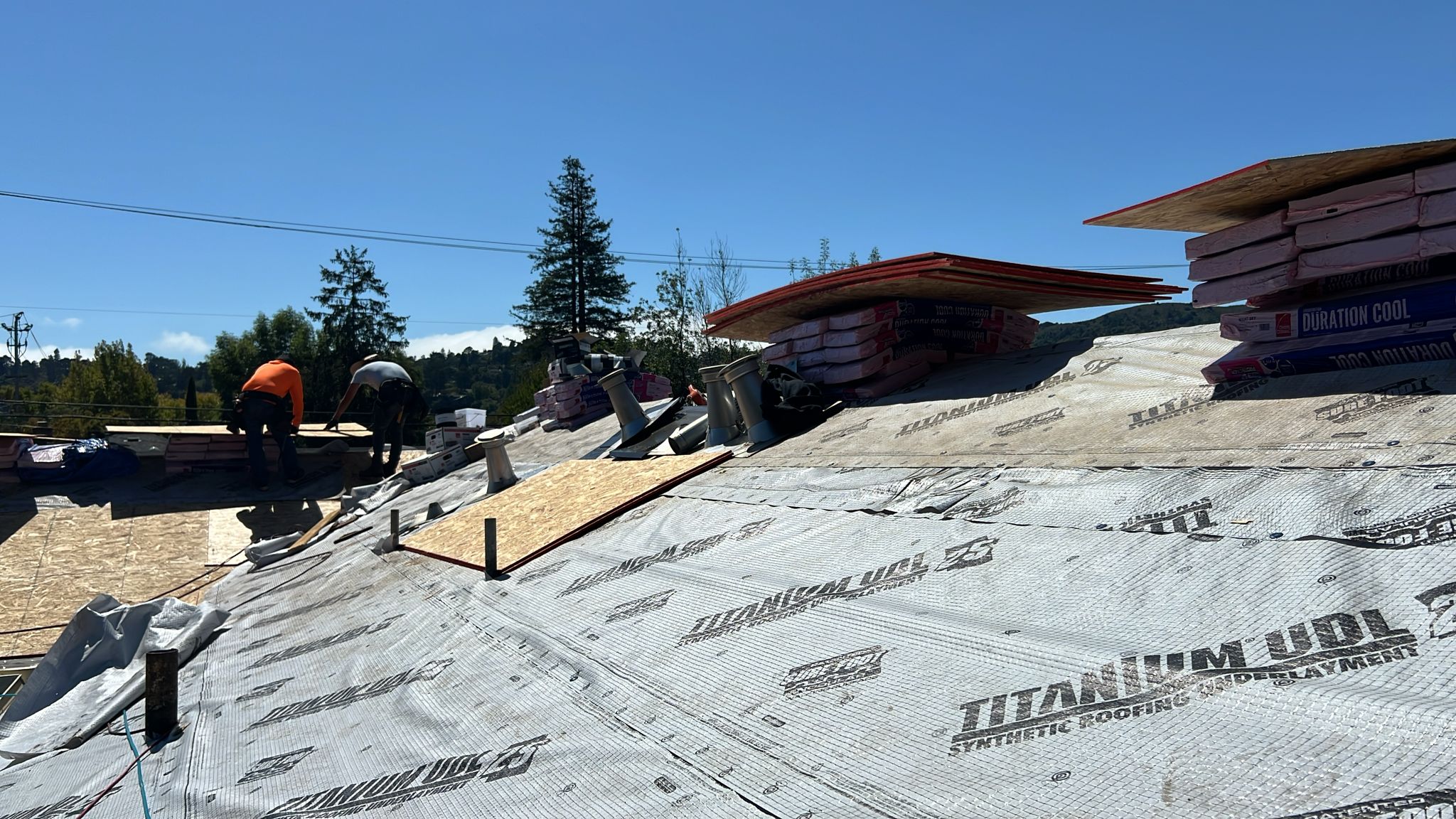
Commercial Roofing Options: Repair or Replacement?
When issues appear, most business owners ask the same question: should we invest in roof repair, or is it time for a full replacement?
Commercial Roof Repair: When It Makes Sense
A commercial roof repair is often appropriate when:
- The roof age is relatively young
- Roof damage is isolated
- There are minor roof leaks
- The underlying structure remains sound
In these cases, targeted repair can extend the lifespan of the roof without major disruption to the building.
However, frequent repairs are a warning sign. Repeated fixes increase cost over time and may point to deeper system failure.
When Roof Replacement Is the Smarter Investment
A roof replacement becomes the better option when damage is widespread or the system is nearing the end of its lifespan.
Signs You May Need a Commercial Roof Replacement
- Persistent leaks across multiple areas
- Failing insulation causing energy loss
- Extensive membrane damage
- Rising maintenance expenses
- Outdated or failing roofing materials
A commercial roof replacement allows you to address all layers of the roof, improve energy efficiency, and reset long-term maintenance needs.
In some cases, a full roof replacement is more cost-effective than continuing patchwork solutions.
Cost Comparison: Repair vs Replacement
Cost is often the deciding factor—but it shouldn’t be the only one.
Repair Costs
- Lower upfront cost
- Shorter project timeline
- Limited disruption to the building
But repairs don’t reset the roof system. If the structure is already compromised, repair spending adds up quickly.
Replacement Costs
- Higher initial replacement costs
- Longer installation timeline
- Major long-term savings
A full replacement reduces emergency calls, lowers maintenance, and improves energy efficiency through upgraded insulation.
When evaluating replacement, consider total ownership cost, not just the initial price.
Key Factors That Should Guide Your Decision
Making the right decision comes down to several critical factors:
Roof Age and Lifespan
Every commercial roof has a predictable lifespan. Once it’s near the end, even small issues may justify replacement over repair.
Extent of Damage
Localized damage supports repair. Widespread or recurring damage points toward full replacement.
Energy Efficiency and Insulation
Old systems often lack proper insulation. Newer commercial roofing materials improve comfort and reduce energy bills.
Business Operations
Some roof work disrupts daily operations more than others. Planning a replacement proactively minimizes surprises.
Restoration and Roof Coatings: A Middle Ground?
In certain cases, restoration may offer a compromise between repair and replacement.
Applying roof coatings can extend service life when the underlying roof system is still structurally sound. Restoration improves waterproofing and energy efficiency without a full tear-off.
However, restoration isn’t suitable for every commercial roof, especially when structural damage exists.
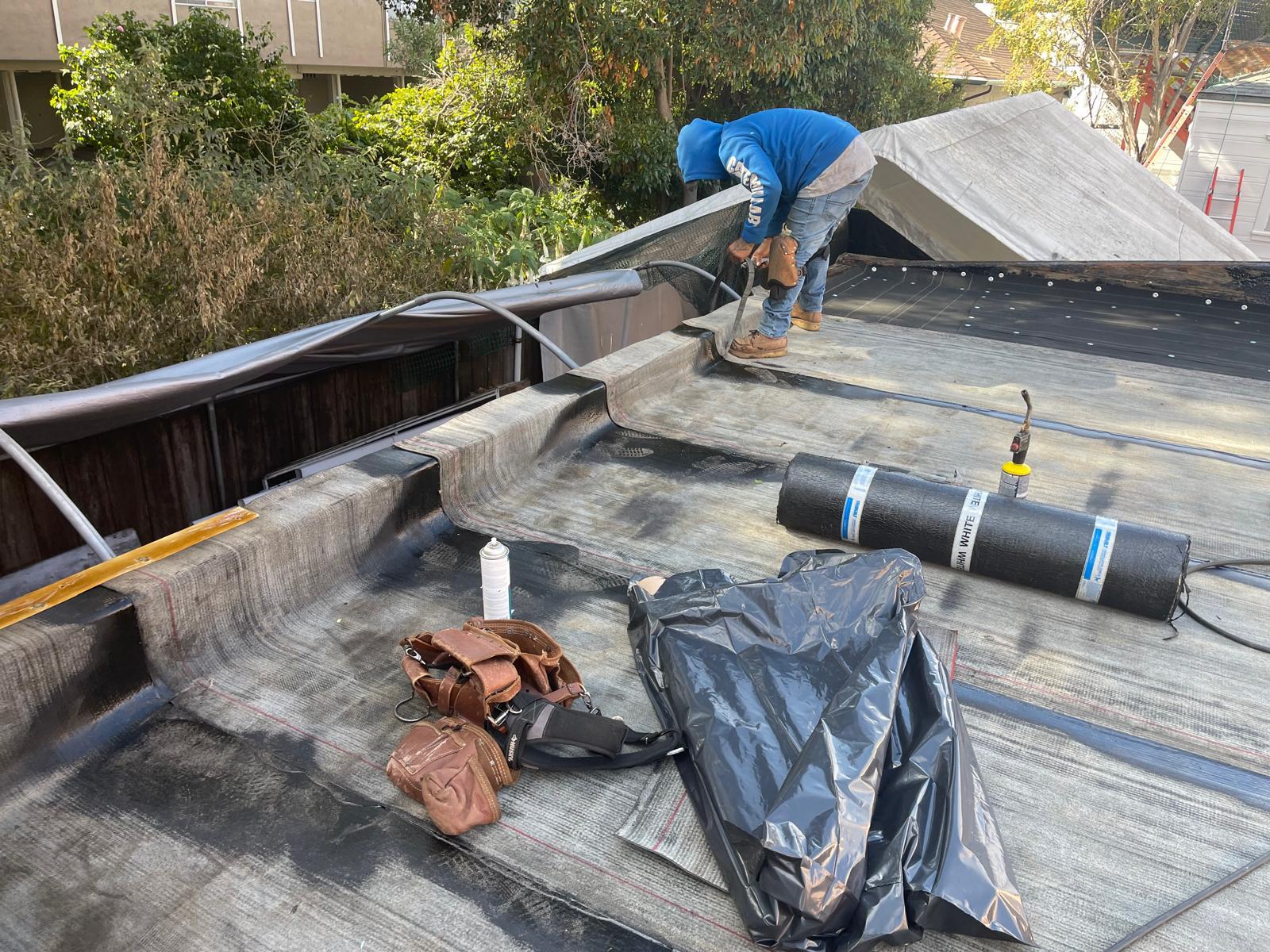
Is Roof Replacement a Repair or an Improvement?
This is a common question for commercial property owners. Generally, repair restores existing performance, while replacement is considered an improvement that extends lifespan and value.
Understanding this distinction helps with budgeting, planning, and long-term asset management for your building.
The Importance of Professional Roof Inspection
A professional roof inspection removes guesswork from the process. An experienced roofing contractor evaluates:
- Structural integrity
- Moisture intrusion
- Insulation condition
- Existing commercial roofing systems
This assessment ensures your decision is based on facts—not assumptions.
Pros and Cons of Repair vs Replacement
Every option has pros and cons:
Repair
- Lower upfront cost
- Faster completion
- Short-term solution
Replacement
- Higher initial investment
- Long-term savings
- Improved energy efficiency
- Reduced maintenance
The right choice depends on your commercial property, your budget, and the condition of your roof.
Making the Right Decision for Your Bay Area Building
For businesses in Marin County and the San Francisco Bay Area, climate and property value make commercial roof replacement vs repair a strategic decision—not just a maintenance task.
Whether you choose repair, restoration, or full replacement, the goal is the same: protect your building, control cost, and avoid unnecessary damage.
A clear evaluation today prevents expensive surprises tomorrow.