
Can Minor Commercial Roof Damage Wait? Why Small Roof Issues Should Never Be Ignored
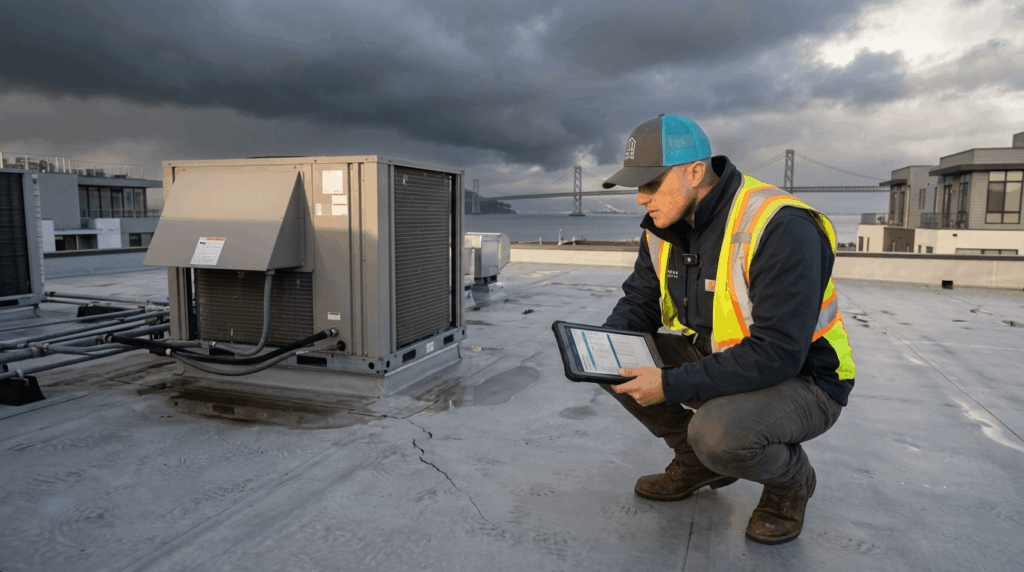
No — minor commercial roof damage should never be ignored, even when it appears cosmetic. A small crack, loose seam, or ceiling stain can signal active moisture infiltration that spreads silently through insulation and structural framing. In the Bay Area’s coastal climate — with year-round fog, UV exposure, and winter storm pressure — small vulnerabilities deteriorate faster than in drier regions. Left unaddressed for even one season, what begins as a $500 repair can escalate into $10,000+ in structural remediation. Early inspection and targeted repair is always the most cost-effective approach. For many property owners, a small issue with a commercial roof may not seem urgent. A stain on the ceiling or a small drip can appear minor at first glance. But waiting rarely works in your favor. Even small concerns often signal deeper problems developing within the roof system. In the Bay Area—especially across Marin County and San Francisco—coastal moisture, UV exposure, and winter storms can quickly turn minor concerns into expensive repairs. Understanding the early signs of trouble can help protect your building, reduce downtime, and prevent serious damage. Quick Answers to FAQs What are the first signs of commercial roof damage? The earliest signs of commercial roof damage often include ceiling stains, small leaks, bubbling roof membranes, standing water, musty odors, or cracked flashing. Even minor issues can indicate hidden moisture intrusion beneath the roofing system. Catching these warning signs early helps prevent structural deterioration and business disruption. Can a small commercial roof leak become a bigger problem? Yes. A small commercial roof leak can quickly spread through insulation, decking, and support structures if left untreated. In flat roofing systems, water often travels far from the visible leak point, making the underlying damage much larger than it appears. Prompt repairs help protect the roof’s long-term performance and prevent more extensive restoration work later. What causes commercial roof damage in San Francisco? The most common causes of commercial roof damage in San Francisco include prolonged moisture exposure, aging roofing materials, ponding water, UV damage, storm activity, poor drainage, and flashing failure. Coastal weather conditions in the Bay Area can significantly shorten the lifespan of commercial roofing systems without proper maintenance. How often should commercial roofs be inspected in the San Francisco Bay Area? Commercial roofs in the San Francisco Bay Area should typically be inspected at least twice per year, especially before and after the rainy season. Routine inspections help identify damage caused by fog exposure, ponding water, storm activity, and UV-related wear before problems escalate. What happens if commercial roof damage is ignored? Ignoring commercial roof damage can lead to moisture intrusion, mold growth, insulation failure, interior water damage, and structural weakening. Over time, even small roofing issues may contribute to premature roof failure and significant interruptions to the building’s operations. Early maintenance is the safest way to protect the property and extend roof lifespan. How can Bay Area property owners prevent commercial roof damage? Bay Area property owners can help prevent commercial roof damage through regular roof inspections, proactive maintenance, drain cleaning, seam sealing, and timely repairs. Working with experienced commercial roofing professionals familiar with San Francisco Bay Area weather conditions helps ensure long-term roof protection and performance. The earliest signs of commercial roof damage often include ceiling stains, small leaks, bubbling roof membranes, standing water, musty odors, or cracked flashing. Even minor issues can indicate hidden moisture intrusion beneath the roofing system. Catching these warning signs early helps prevent structural deterioration and business disruption. Yes. A small commercial roof leak can quickly spread through insulation, decking, and support structures if left untreated. In flat roofing systems, water often travels far from the visible leak point, making the underlying damage much larger than it appears. Prompt repairs help protect the roof’s long-term performance and prevent more extensive restoration work later. The most common causes of commercial roof damage in San Francisco include prolonged moisture exposure, aging roofing materials, ponding water, UV damage, storm activity, poor drainage, and flashing failure. Coastal weather conditions in the Bay Area can significantly shorten the lifespan of commercial roofing systems without proper maintenance. Commercial roofs in the San Francisco Bay Area should typically be inspected at least twice per year, especially before and after the rainy season. Routine inspections help identify damage caused by fog exposure, ponding water, storm activity, and UV-related wear before problems escalate. Ignoring commercial roof damage can lead to moisture intrusion, mold growth, insulation failure, interior water damage, and structural weakening. Over time, even small roofing issues may contribute to premature roof failure and significant interruptions to the building’s operations. Early maintenance is the safest way to protect the property and extend roof lifespan. Bay Area property owners can help prevent commercial roof damage through regular roof inspections, proactive maintenance, drain cleaning, seam sealing, and timely repairs. Working with experienced commercial roofing professionals familiar with San Francisco Bay Area weather conditions helps ensure long-term roof protection and performance. Understanding Commercial Roof Damage The phrase commercial roof damage covers a wide range of issues that affect the performance of a roof system. Many of these issues begin subtly. A puncture in the roof membrane, a loose seam, or deteriorating flashing can slowly allow moisture into the structure. If ignored, that moisture spreads beneath the surface and weakens insulation, decking, and support structures. Over time, what began as small damage can lead to major structural damage inside the building. Why Small Roof Problems Escalate Quickly A commercial roof system is a layered assembly — membrane, insulation, vapor barrier, and structural deck — and water does not respect those layers once it finds an entry point. A 1-inch membrane puncture can allow water to travel 8–10 feet laterally before dropping, meaning the visible ceiling stain rarely marks the origin of the leak. In the San Francisco Bay Area, the combination of coastal humidity, salt-laden air, and winter storm cycles creates conditions that accelerate this process. Fog alone deposits significant moisture on roof surfaces — enough to penetrate any existing
Commercial Roofing Cost Breakdown: What Actually Drives The Price
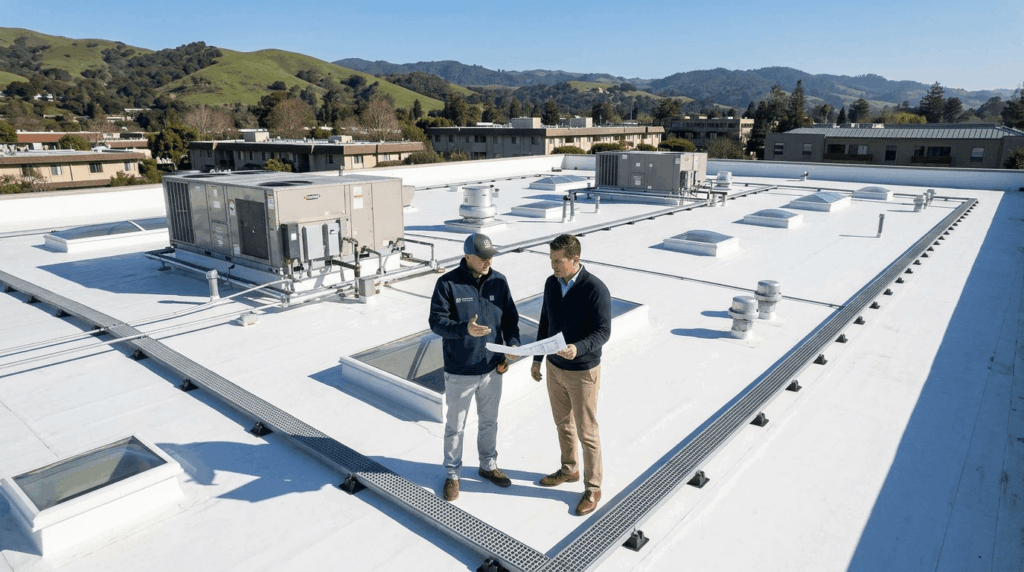
Understanding the cost of a commercial roof can feel complicated. Every building has different structural needs, and every roofing system uses different materials and installation methods. For property owners in Marin County and the San Francisco Bay Area, knowing what drives commercial roof cost helps you plan a smarter roofing project, reduce long-term cost, and protect your commercial building for decades. This guide breaks down the most important factors that influence price, including roof size, roofing material, labor costs, and California code requirements. Quick Answers to FAQs What factors affect the lifespan of a commercial roof? Several factors can impact how long a commercial roof lasts, including the roofing material, installation quality, local climate, roof maintenance, drainage systems, and exposure to sun or heavy storms. Regular inspections and timely repairs can help extend the life of your roofing system. How do I know if my commercial roof needs replacement or repair? Signs like recurring leaks, ponding water, visible membrane damage, rising energy bills, or frequent repair needs may indicate it’s time for a replacement. A professional roof inspection can help determine whether repairs are still effective or if a full replacement is the better long-term solution. What are the most common types of commercial roofing systems? Popular commercial roofing systems include TPO, EPDM, PVC, modified bitumen, built-up roofing (BUR), and metal roofing. Each system offers different benefits depending on the building type, energy efficiency goals, and long-term durability needs. How long does a commercial roofing project usually take? The timeline depends on the roof size, weather conditions, material type, and project complexity. Smaller repairs may take a day or two, while larger commercial roof replacements can take several days to a few weeks. Why is regular commercial roof maintenance important? Routine maintenance helps identify small issues before they become major problems. It can prevent leaks, improve energy efficiency, extend roof lifespan, and reduce the likelihood of unexpected disruptions to your business operations. Can a new commercial roof improve energy efficiency? Yes. Modern roofing systems are designed to improve insulation and reflect heat, helping reduce indoor temperature fluctuations and lowering HVAC strain. Cool roofing systems can be especially beneficial in warmer climates. How often should a commercial roof be inspected? Most commercial roofs should be professionally inspected at least twice a year — typically in the spring and fall — as well as after major storms. Consistent inspections help catch damage early and support warranty requirements. What causes leaks in commercial roofing systems? Common causes include aging materials, poor drainage, damaged flashing, punctures, seam separation, and storm damage. Regular inspections and maintenance can help prevent leaks from developing into larger structural issues. What should building owners look for in a commercial roofing contractor? Look for a licensed and insured contractor with strong reviews, commercial roofing experience, manufacturer certifications, warranty options, and knowledge of local building codes. A reputable contractor should also provide clear communication and detailed inspection reports. Several factors can impact how long a commercial roof lasts, including the roofing material, installation quality, local climate, roof maintenance, drainage systems, and exposure to sun or heavy storms. Regular inspections and timely repairs can help extend the life of your roofing system. Signs like recurring leaks, ponding water, visible membrane damage, rising energy bills, or frequent repair needs may indicate it’s time for a replacement. A professional roof inspection can help determine whether repairs are still effective or if a full replacement is the better long-term solution. Popular commercial roofing systems include TPO, EPDM, PVC, modified bitumen, built-up roofing (BUR), and metal roofing. Each system offers different benefits depending on the building type, energy efficiency goals, and long-term durability needs. The timeline depends on the roof size, weather conditions, material type, and project complexity. Smaller repairs may take a day or two, while larger commercial roof replacements can take several days to a few weeks. Routine maintenance helps identify small issues before they become major problems. It can prevent leaks, improve energy efficiency, extend roof lifespan, and reduce the likelihood of unexpected disruptions to your business operations. Yes. Modern roofing systems are designed to improve insulation and reflect heat, helping reduce indoor temperature fluctuations and lowering HVAC strain. Cool roofing systems can be especially beneficial in warmer climates. Most commercial roofs should be professionally inspected at least twice a year — typically in the spring and fall — as well as after major storms. Consistent inspections help catch damage early and support warranty requirements. Common causes include aging materials, poor drainage, damaged flashing, punctures, seam separation, and storm damage. Regular inspections and maintenance can help prevent leaks from developing into larger structural issues. Look for a licensed and insured contractor with strong reviews, commercial roofing experience, manufacturer certifications, warranty options, and knowledge of local building codes. A reputable contractor should also provide clear communication and detailed inspection reports. How Much Does a Commercial Roof Cost in Marin County? Commercial roofing costs in Marin County and the San Francisco Bay Area typically range from $7 to $18 per square foot for materials and labor, depending on the roofing system selected, the size and complexity of the structure, and site-specific conditions such as access, drainage, and existing roof condition. For a 5,000-square-foot commercial roof, property owners should budget between $35,000 and $90,000 for a full replacement, with most mid-range projects falling between $40,000 and $65,000. These figures reflect California labor rates, code compliance requirements, and the coastal climate conditions common to Marin County, where moisture exposure and marine layer weather patterns place higher long-term demands on roofing materials than inland California markets. Selecting the wrong system for this environment is one of the most common — and most expensive — mistakes commercial property owners make. Commercial Roofing Cost by System: Marin County Reference Guide The table below summarizes typical installed costs by roofing system for commercial properties in the Bay Area. These ranges reflect materials and labor. They do not include structural repairs, permit fees, or tear-off of existing roofing, which are addressed
Commercial Roof Replacement vs Repair: How to Decide Without Wasting Money
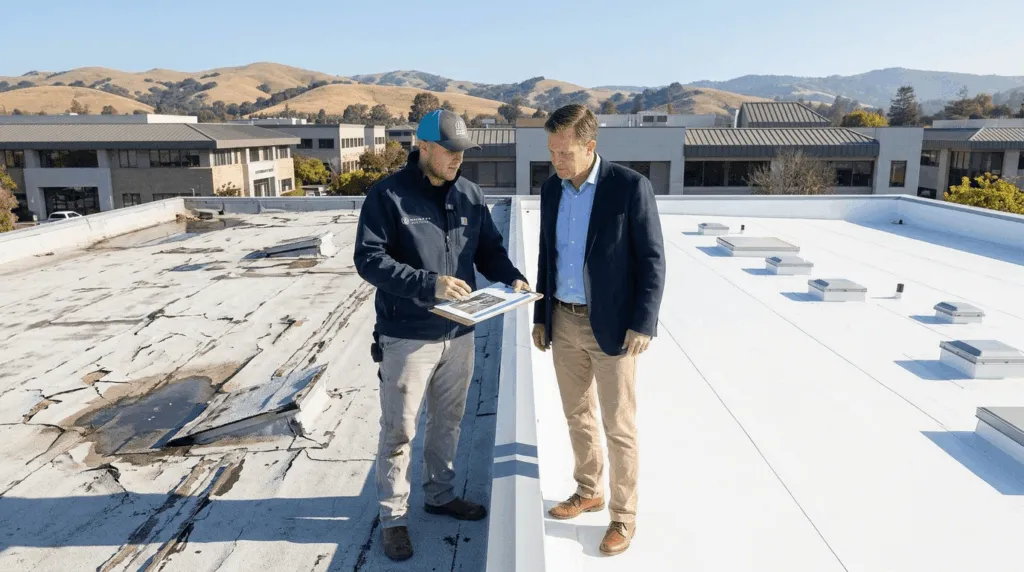
For many business owners, deciding between commercial roof replacement vs repair can feel overwhelming. Your roof protects your building, your tenants, and your daily operations, so the wrong choice can lead to unnecessary cost, repeated damage, or unplanned downtime. In Marin County and across the San Francisco Bay Area, commercial properties face unique challenges—from coastal moisture to temperature swings. Understanding when a repair makes sense and when a replacement is the smarter investment helps protect your commercial property long term. This guide breaks down how to make that decision clearly, confidently, and without wasting money. Quick Answers to FAQs How do I know if my commercial roof needs repair or replacement? The best way to decide is through a professional roof inspection. Small, isolated issues like minor leaks or limited membrane damage can often be repaired. Widespread water intrusion, recurring leaks, storm damage, or an aging roof system may point toward replacement as the smarter long-term solution. What are the signs that a commercial roof is beyond repair? Common warning signs include persistent leaks, large areas of ponding water, damaged flashing, saturated insulation, membrane separation, and repeated repair history. If problems continue returning after multiple repairs, replacement may provide better long-term protection. Can a commercial roof leak be repaired without replacing the entire roof? Yes, many commercial roof leaks can be repaired if the damage is caught early. Targeted repairs can extend the life of the roof and help prevent larger structural issues when handled by an experienced commercial roofing contractor. How long does a commercial roof typically last? The lifespan depends on the roofing system, installation quality, maintenance, and local weather conditions. Many commercial roofs last between 20 and 40 years when properly maintained and regularly inspected. Is it better to repair a commercial roof after storm damage? It depends on the severity of the damage. Minor storm-related issues can often be repaired, but significant water intrusion, punctures, or structural damage may make replacement the safer and more reliable option. How often should a commercial roof be inspected? Commercial roofs should generally be inspected at least twice a year — typically in the spring and fall — as well as after major storms. Routine inspections help identify small problems before they become major roofing failures. What happens if I delay commercial roof repairs? Delaying repairs can allow moisture to spread beneath the roofing system, damaging insulation, decking, and interior structures. Over time, this can shorten the roof’s lifespan and increase the likelihood of a full replacement becoming necessary sooner. Can repairing a commercial roof extend its lifespan? Yes. Timely repairs and preventative maintenance can significantly extend the life of a commercial roofing system. Addressing issues early helps preserve the roof’s performance and reduces the risk of larger failures. What factors should building owners consider before replacing a commercial roof? Key considerations include the roof’s age, extent of damage, energy efficiency, drainage performance, building code compliance, and future maintenance needs. A professional inspection can help determine the most practical long-term solution. Why is preventative maintenance important for commercial roofing? Preventative maintenance helps identify hidden problems early, protects the roofing system from premature deterioration, and supports long-term performance. Regular maintenance also helps building owners avoid unexpected disruptions caused by major roof failures. The best way to decide is through a professional roof inspection. Small, isolated issues like minor leaks or limited membrane damage can often be repaired. Widespread water intrusion, recurring leaks, storm damage, or an aging roof system may point toward replacement as the smarter long-term solution. Common warning signs include persistent leaks, large areas of ponding water, damaged flashing, saturated insulation, membrane separation, and repeated repair history. If problems continue returning after multiple repairs, replacement may provide better long-term protection. Yes, many commercial roof leaks can be repaired if the damage is caught early. Targeted repairs can extend the life of the roof and help prevent larger structural issues when handled by an experienced commercial roofing contractor. The lifespan depends on the roofing system, installation quality, maintenance, and local weather conditions. Many commercial roofs last between 20 and 40 years when properly maintained and regularly inspected. It depends on the severity of the damage. Minor storm-related issues can often be repaired, but significant water intrusion, punctures, or structural damage may make replacement the safer and more reliable option. Commercial roofs should generally be inspected at least twice a year — typically in the spring and fall — as well as after major storms. Routine inspections help identify small problems before they become major roofing failures. Delaying repairs can allow moisture to spread beneath the roofing system, damaging insulation, decking, and interior structures. Over time, this can shorten the roof’s lifespan and increase the likelihood of a full replacement becoming necessary sooner. Yes. Timely repairs and preventative maintenance can significantly extend the life of a commercial roofing system. Addressing issues early helps preserve the roof’s performance and reduces the risk of larger failures. Key considerations include the roof’s age, extent of damage, energy efficiency, drainage performance, building code compliance, and future maintenance needs. A professional inspection can help determine the most practical long-term solution. Preventative maintenance helps identify hidden problems early, protects the roofing system from premature deterioration, and supports long-term performance. Regular maintenance also helps building owners avoid unexpected disruptions caused by major roof failures. The 50% Rule: A Practical Starting Point A widely used benchmark in commercial roofing is the 50% rule: if the estimated cost of repairs exceeds 50% of the cost of a full replacement, replacement is almost always the better financial decision. For a Bay Area commercial property owner, this threshold matters because repair costs in the region run higher due to permitting requirements, labor rates, and the complexity of coastal construction. A professional inspection is the only reliable way to get accurate numbers — but the 50% rule gives you a framework to evaluate contractor recommendations with confidence. Understanding Your Commercial Roof and Why It Matters A commercial roof is more than a
Flat Roof Solutions for Commercial Buildings: Benefits & Maintenance Tips
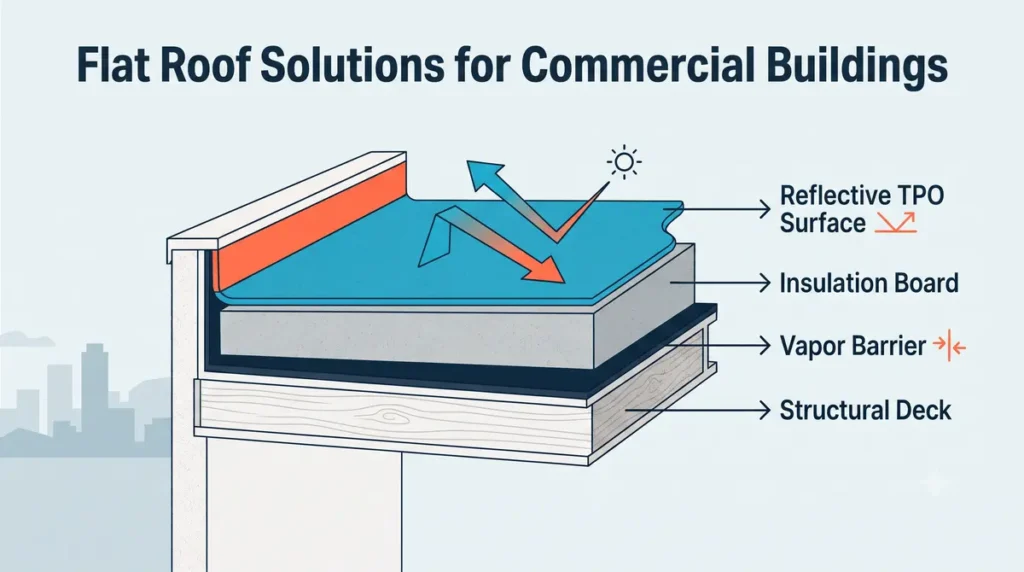
The right roof makes all the difference for commercial properties in the Greater Bay Area, not just in regards to longevity, but for energy efficiency and cost-effectiveness as well. Due to their practicality, flat roofs have been a popular roofing solution for business owners for many years. At Marina Bay Roofing, we provide durable flat roofing systems that take the unique needs of the local climate and commercial architecture into account. Today let’s talk about the benefits of flat roofs for commercial buildings, as well as the most common types and maintenance tips that will keep your investment looking good for years to come. Quick Answers to FAQs What are the main benefits of flat roofs for commercial buildings? Flat roofs offer easier and safer maintenance access, more usable rooftop space for solar panels, HVAC units, or rooftop gardens, and compatibility with energy-efficient reflective membranes suited to the Bay Area climate. Their simpler structure also makes routine inspections and repairs more straightforward than pitched roofing systems. What are the most common flat roofing systems used in the Bay Area? The most widely used commercial flat roofing systems are TPO, EPDM, modified bitumen, and built-up roofing (BUR). Each offers a different balance of durability, reflectivity, and performance — TPO for UV and algae resistance, EPDM for flexibility across temperature swings, modified bitumen for waterproofing in rainy conditions, and BUR for heavy foot-traffic durability. How does a flat roof improve energy efficiency for a commercial building? Reflective membranes such as TPO or white-coated EPDM reduce heat absorption by reflecting solar radiation rather than absorbing it, which lowers a building’s cooling load during peak summer months. This is particularly relevant for Bay Area properties pursuing LEED certification or complying with California’s Title 24 energy code, which often requires or prefers cool roofing systems for low-slope commercial buildings. How often should a commercial flat roof be inspected? Commercial flat roofs should receive at least two professional inspections per year — one in fall to prepare for the rainy season and one in spring to assess winter damage. Additional inspections are recommended after major weather events, within 72 hours, to check for membrane uplift, standing water, or compromised seams. What maintenance tasks are essential for extending a flat roof’s lifespan? Key maintenance tasks include clearing debris from drains and gutters to prevent clogs, checking for ponding water that lasts more than 48 hours, inspecting drainage systems like scuppers and downspouts, and examining seals and flashings around vents, HVAC units, and roof edges to maintain waterproofing integrity. Flat roofs offer easier and safer maintenance access, more usable rooftop space for solar panels, HVAC units, or rooftop gardens, and compatibility with energy-efficient reflective membranes suited to the Bay Area climate. Their simpler structure also makes routine inspections and repairs more straightforward than pitched roofing systems. The most widely used commercial flat roofing systems are TPO, EPDM, modified bitumen, and built-up roofing (BUR). Each offers a different balance of durability, reflectivity, and performance — TPO for UV and algae resistance, EPDM for flexibility across temperature swings, modified bitumen for waterproofing in rainy conditions, and BUR for heavy foot-traffic durability. Reflective membranes such as TPO or white-coated EPDM reduce heat absorption by reflecting solar radiation rather than absorbing it, which lowers a building’s cooling load during peak summer months. This is particularly relevant for Bay Area properties pursuing LEED certification or complying with California’s Title 24 energy code, which often requires or prefers cool roofing systems for low-slope commercial buildings. Commercial flat roofs should receive at least two professional inspections per year — one in fall to prepare for the rainy season and one in spring to assess winter damage. Additional inspections are recommended after major weather events, within 72 hours, to check for membrane uplift, standing water, or compromised seams. Key maintenance tasks include clearing debris from drains and gutters to prevent clogs, checking for ponding water that lasts more than 48 hours, inspecting drainage systems like scuppers and downspouts, and examining seals and flashings around vents, HVAC units, and roof edges to maintain waterproofing integrity. What Are the Benefits of Flat Roofs for Commercial Buildings? A flat roof is a low-slope roofing system commonly used in commercial construction. For Bay Area business owners, flat roofs offer a practical, cost-effective alternative to pitched systems — delivering easier access for maintenance, greater usable space, and compatibility with energy-efficient membranes suited to the local climate. Most commercial flat roofing systems in the Greater Bay Area are built with TPO, EPDM, modified bitumen, or built-up roofing (BUR), each offering a different balance of durability, reflectivity, and cost. The sections below explain the key benefits, material options, and a maintenance schedule to protect your investment over the long term. Flat Roofs: Why Are They Ideal for Commercial Buildings? Flat roofs are a popular option in commercial construction, particularly in busy metropolitan areas like San Francisco, CA, where space, accessibility, and modern design are essential. Check out the many reasons why Greater Bay Area business owners are opting for flat roofing systems: Cost-Efficiency: Flat roofs involve less material and labor compared with pitched roofs, which lowers the upfront costs. They also have a simpler structure that makes them easier and faster to repair, which in turn lowers long-term expenses. Modern Appearance: Many commercial property owners like flat roofs due to their contemporary appearance and clean lines, pairing well with the modern architectural styles found in San Francisco, CA and surrounding areas. Space Efficiency: Flat roofs provide more usable space that can be utilized for solar panels, rooftop gardens, HVAC unit bases, and employee break areas. Easy Maintenance Access: Flat roofs make it easier and safer to perform inspections, cleaning, and minor repairs, compared with sloped or pitched roofs. Energy Efficiency and Sustainability Benefits: Reflective flat roof membranes — particularly TPO and white-coated EPDM — can meaningfully reduce a building’s cooling load during peak summer months. In the Bay Area, where inland temperatures can spike significantly compared to coastal areas, a reflective flat