How Much Does a Commercial Roof Cost in Marin County?
Commercial roofing costs in Marin County and the San Francisco Bay Area typically range from $7 to $18 per square foot for materials and labor, depending on the roofing system selected, the size and complexity of the structure, and site-specific conditions such as access, drainage, and existing roof condition. For a 5,000-square-foot commercial roof, property owners should budget between $35,000 and $90,000 for a full replacement, with most mid-range projects falling between $40,000 and $65,000.
These figures reflect California labor rates, code compliance requirements, and the coastal climate conditions common to Marin County, where moisture exposure and marine layer weather patterns place higher long-term demands on roofing materials than inland California markets. Selecting the wrong system for this environment is one of the most common — and most expensive — mistakes commercial property owners make.
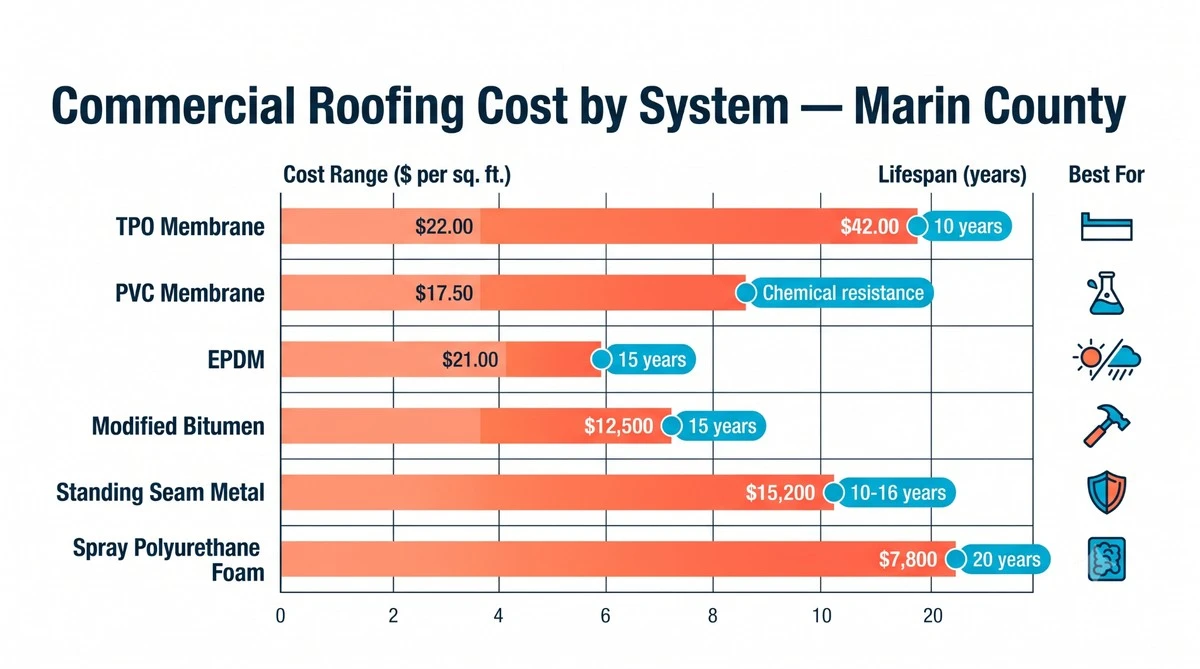
Commercial Roofing Cost by System: Marin County Reference Guide
The table below summarizes typical installed costs by roofing system for commercial properties in the Bay Area. These ranges reflect materials and labor. They do not include structural repairs, permit fees, or tear-off of existing roofing, which are addressed separately below.
Roofing System | Cost / Sq. Ft. (Materials + Labor) | Typical Lifespan | Best For |
TPO Membrane | $8 – $14 | 20 – 30 years | Flat roofs, energy efficiency |
PVC Membrane | $10 – $16 | 20 – 30 years | Chemical/grease resistance |
EPDM (Rubber) | $7 – $14 | 20 – 25 years | Low-slope, budget-conscious |
Modified Bitumen | $6 – $14 | 15 – 20 years | Layered waterproofing needs |
Standing Seam Metal | $12 – $20 | 40 – 70 years | Long lifespan, premium look |
Spray Polyurethane Foam | $6 – $12 | 25+ years (with recoat) | Seamless seal, insulation |
Note: California’s cool roof requirements under Title 24 may limit material choices for certain commercial applications. TPO and PVC membranes typically meet these standards without additional modifications. Metal roofing prices reflect 2026 tariff adjustments on steel and aluminum.
Commercial Roof Cost
The roof cost for a commercial building varies widely depending on the type of roof, the system installed, and the complexity of the structure.
Large roofing systems require specialized crews, engineered materials, and careful installation procedures. Because of this, the average cost of roofing on a commercial roof is influenced by both design and performance requirements.
Understanding what drives the cost allows property owners to budget properly and avoid unexpected roofing costs during a commercial roofing project.
Commercial Building Considerations
Every commercial building presents unique roofing challenges.
The age of the building, structural load capacity, and drainage design all affect the cost of the roofing project. Older building structures may require reinforcement before installing modern roofing systems.
In California, many commercial roofing projects also need to meet energy efficiency requirements, which can influence the price and materials selected.
Key Factors That Influence Commercial Roofing Costs
Several factors determine the final cost of installing or replacing a commercial roof.
Understanding these key factors helps property owners make better decisions when planning commercial roofing work.
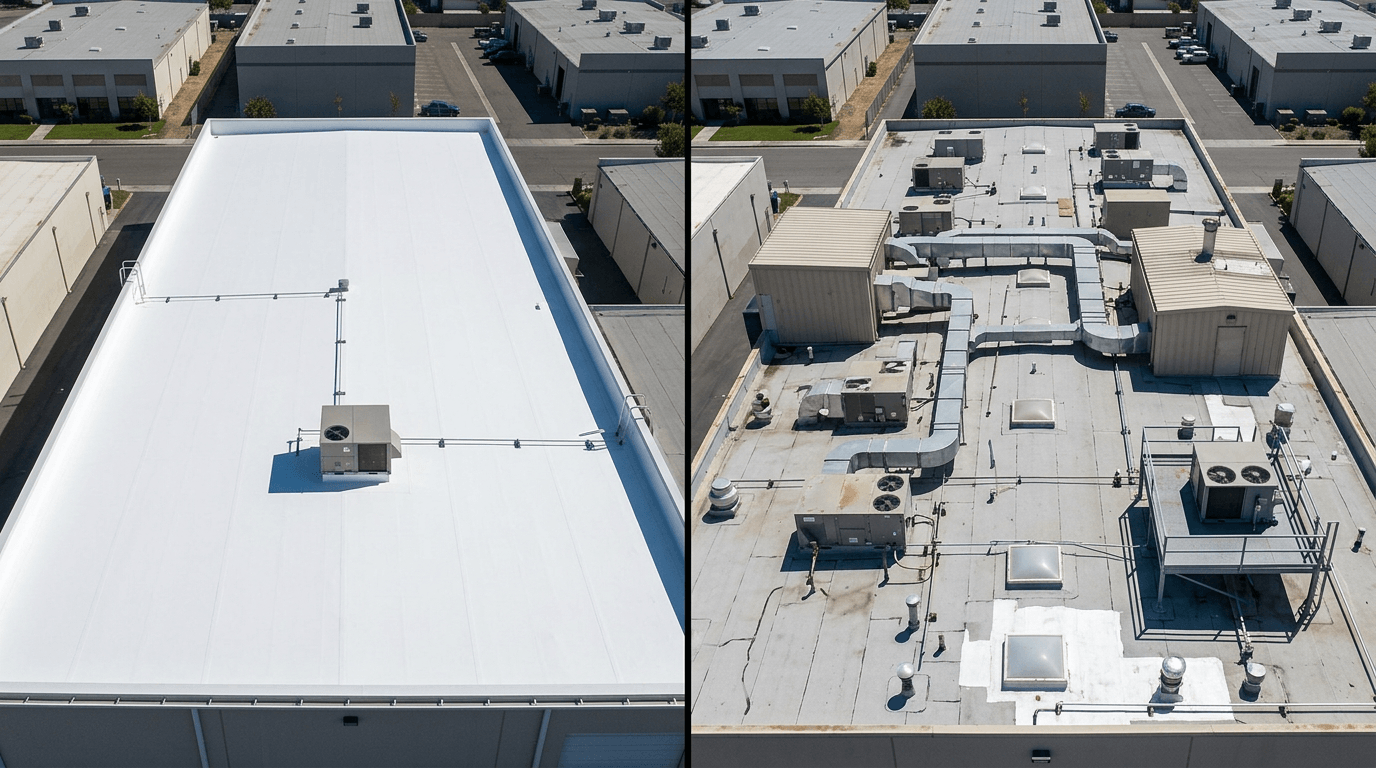
Roof Size
The roof size is one of the most significant factors affecting cost.
A larger commercial roof requires more materials, more installation time, and higher labor costs. Large building footprints in industrial or retail properties can significantly increase the total price.
Size and Complexity
The size and complexity of the roof structure also impact the cost.
Simple flat roofs are typically easier to install. However, complex roofing layouts with skylights, HVAC equipment, or drainage systems increase the difficulty of the roofing project.
More complex roofing systems often require specialized installation techniques and additional materials.
Type of Roof
The type of roof installed on a commercial building plays a major role in determining the cost and performance of the system.
Different roofing systems provide varying levels of durability, insulation, and weather protection.
Permit Fees and California Code Compliance
In Marin County, commercial roofing projects generally require building permits regardless of project scope. Permit fees vary by municipality — San Rafael, Novato, and Mill Valley each have different fee schedules — and typically add $500 to $3,000 or more to a project budget depending on valuation. Factor in 2 to 4 weeks for permit processing when planning your project timeline.
California Title 24 Energy Compliance requires cool roof specifications on all new and replacement low-slope commercial roofs, and on steep-slope roofs in certain California climate zones. As of January 1, 2026, the updated 2025 Energy Code applies to any permit filed on or after that date and triggers compliance for re-roofing projects affecting 50% or more of the roof area. A qualified contractor will confirm which specifications apply to your specific building type, climate zone, and jurisdiction before project commencement.
Tear-Off and Disposal
If an existing roofing system must be removed before new installation, tear-off and disposal typically adds $1.50 to $3.00 per square foot or more to the project cost, depending on roof type, number of existing layers, and site accessibility. Some commercial roofing systems — particularly spray polyurethane foam — can be applied directly over existing surfaces if the substrate is structurally sound and properly evaluated, reducing this cost component. A thorough inspection will determine whether overlay is viable or whether full tear-off is required.
Commercial Roofing Systems
Modern commercial roofing systems are engineered to provide long-term protection, energy efficiency, and durability.
These roofing systems are designed for the unique demands of commercial building structures and must perform well in California’s climate.
Choosing the right system helps balance cost and durability while protecting the building for many years.
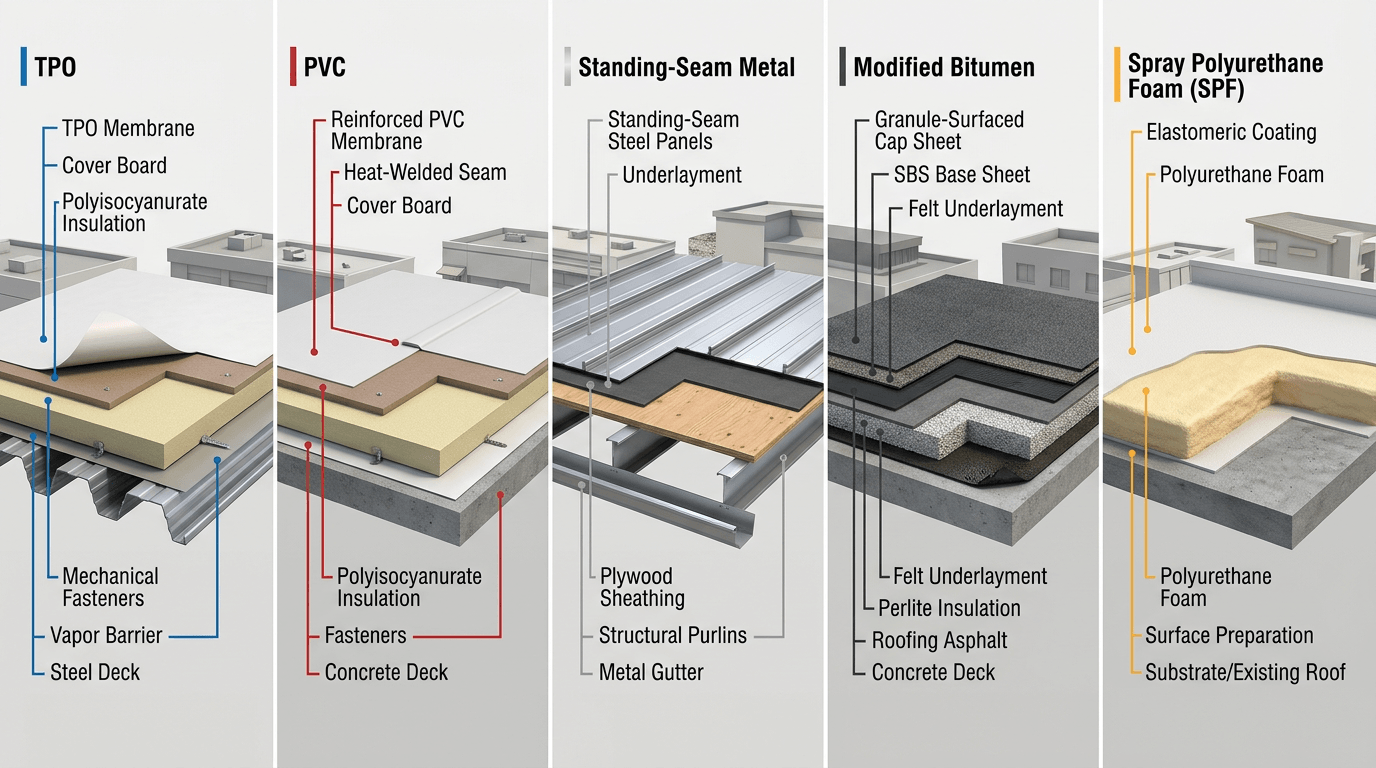
Commercial Roofing Materials
The type of roofing material selected has a direct impact on the cost of commercial roofing.
Different commercial roofing materials offer different advantages in lifespan, insulation, and maintenance requirements.
Selecting the right roofing material is one of the most important decisions in any roofing project.
Metal Roofing
Metal roofing is known for long service life and exceptional durability.
Although the upfront cost may be higher than other roofing materials, the long lifespan and reduced maintenance costs make it attractive for many commercial roof installations.
TPO Roofing
TPO roofing is widely used on modern commercial roof applications.
This ply membrane system reflects heat and performs well in California climates. Its moderate cost makes it popular for large commercial roofing projects.
PVC Roofing
PVC roofing provides strong waterproofing and chemical resistance.
Many commercial roofing installations choose PVC when durability and protection are priorities.
Bituminous Roofing
Traditional bituminous roofing systems use layered materials to create strong waterproof protection.
These ply roof assemblies are durable but can require higher labor costs during installation.
Polyurethane Foam Roofing
Polyurethane foam roofing creates a seamless protective barrier across the roofing surface.
In some cases, spray polyurethane foam roofing improves insulation and helps prevent leaks in large commercial roof areas.
Labor Costs in Commercial Roofing
Labor costs represent a significant portion of the cost of commercial roofing.
Experienced crews must safely install complex roofing systems, often working around equipment or structural limitations within the building.
Hiring an experienced roofing contractor helps ensure proper installation and long-term reliability.
Code Requirements in California
Strict code requirements influence commercial roofing installations across California.
Local requirements may include:
- Fire resistance standards
- Energy efficiency compliance
- Cool roof specifications
These code requirements ensure every commercial roof installed on a building meets safety and environmental standards.
Roofing Costs and Structural Considerations
Before installing new roofing, contractors evaluate the roof structure.
If structural repair is required before installation, the total cost of the roofing project can increase. Proper structural evaluation ensures the commercial roof performs safely for decades.
Repair vs Replacement Price
Sometimes a full replacement is not necessary.
Targeted repair work can extend the lifespan of a commercial roof while reducing immediate cost.
However, extensive damage may require replacement to maintain the safety of the building.
Understanding the difference between repair and replacement helps property owners control long-term roofing costs.
When to Repair vs. Replace a Commercial Roof: A Practical Decision Guide
One of the most common questions commercial property owners ask is whether a failing or aging roof warrants repair or full replacement. The answer depends on three factors: the age of the existing system, the percentage of surface area affected by damage, and whether the underlying structure is sound.
As a general industry standard, if repair costs exceed 25 to 30 percent of the cost of a full roof replacement, replacement is typically the more cost-effective long-term decision. Similarly, if the roofing system is within 5 to 7 years of the end of its rated lifespan, investing in repair may simply delay an inevitable replacement without providing meaningful cost savings.
For commercial properties in Marin County, the coastal climate accelerates wear on certain membrane systems, particularly those that were not originally specified for high-moisture environments. A qualified commercial roofing contractor will evaluate the existing system’s condition, membrane integrity, insulation performance, and drainage before recommending a course of action.
Signs That Point to Replacement
Replacement is typically the right decision when one or more of the following conditions are present:
- The existing roof system is at or beyond its rated service life
- Water infiltration is occurring at multiple locations, not isolated points
- The membrane is cracked, blistered, or separating at seams across a significant portion of the surface
- Insulation beneath the membrane has been compromised by moisture, reducing energy efficiency
- Drainage systems are failing or cannot be corrected without major structural intervention
- Repair estimates exceed 25–30% of replacement cost.
Maintenance and Long-Term Roofing Costs
Routine maintenance plays a critical role in protecting a commercial roof.
Without regular maintenance, small problems can develop into costly repair issues that affect the entire building.
Proper preventative maintenance helps reduce long-term maintenance costs and extend the life of roofing systems.
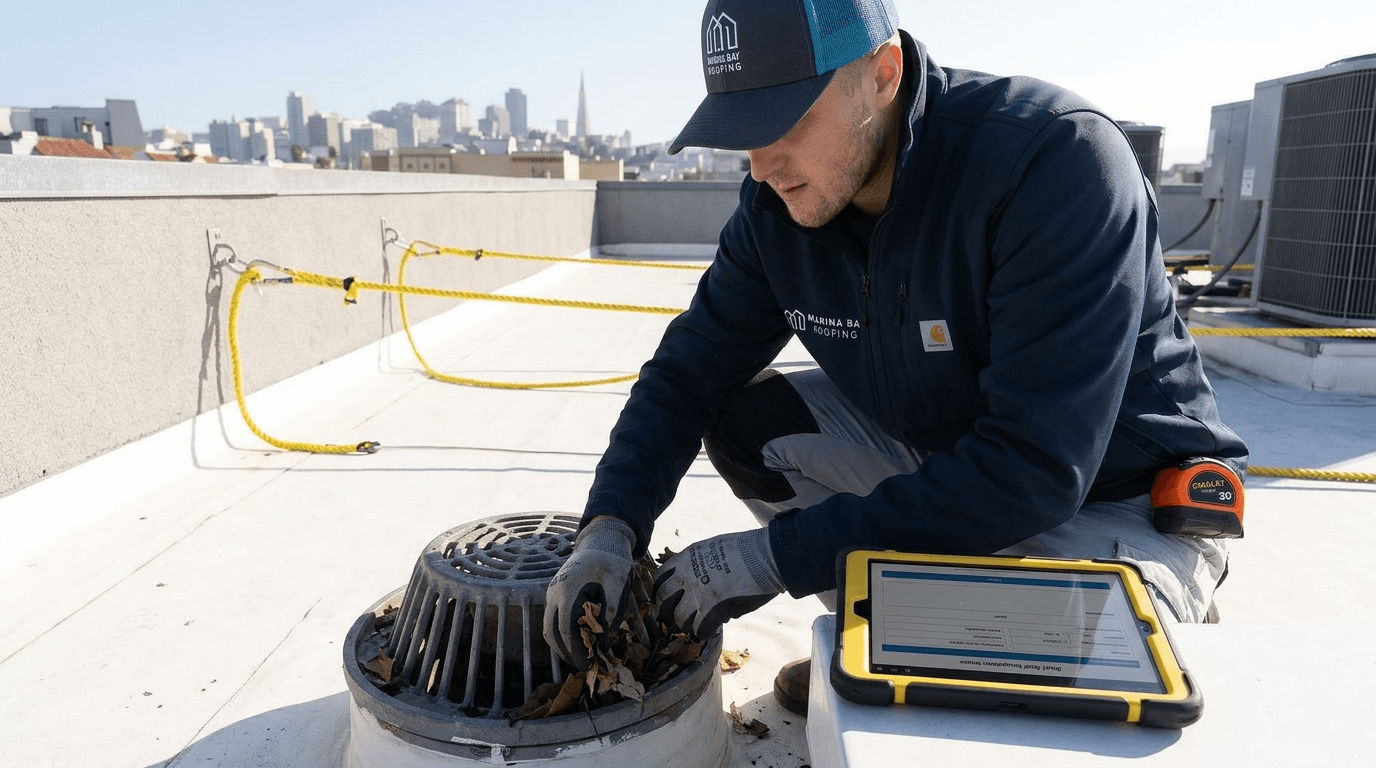
Maintenance Tips for Commercial Roofs
Effective maintenance tips for a commercial roof include:
- Regular inspections
- Cleaning drainage systems
- Checking flashing and seams
- Addressing small repair issues quickly
These steps help reduce unexpected cost and improve the lifespan of roofing systems.
Timely Repairs Matter
Timely repairs help prevent small problems from becoming major structural issues.
When leaks or damage are caught early, the repair work is usually much less expensive than major restoration.
This proactive approach helps control the overall price of maintaining a commercial roof.
Additional Roofing Materials Used on Some Buildings
Some smaller building structures may use systems similar to residential roofing.
These can include asphalt shingle, shingle, or even tile roof designs depending on architectural style.
While less common for large commercial roofing installations, these materials may still influence overall cost.
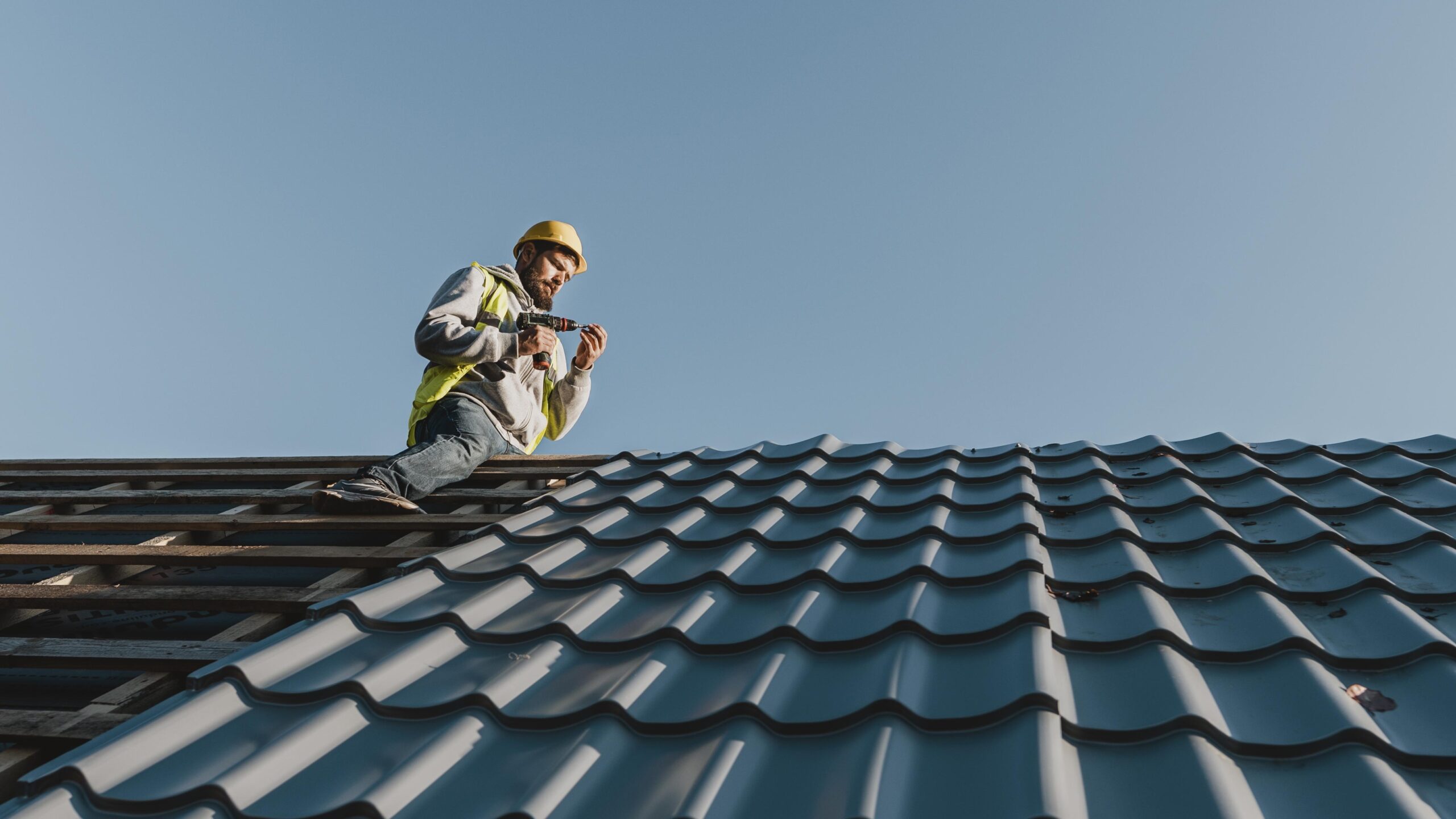
Choosing the Right Contractor
Choosing the right contractor is one of the most important decisions for any commercial roofing project.
An experienced contractor will evaluate the building, the materials, and the best commercial roofing systems for the property.
A qualified roofing contractor also ensures the project meets California requirements and industry safety standards.
Questions to Ask a Commercial Roofing Contractor Before Signing
Before committing to a commercial roofing contractor in Marin County or the broader Bay Area, property owners and property managers should ask the following:
- Is the contractor CSLB-licensed and insured for commercial work in California?
- What roofing systems do they install, and which do they recommend for this building type and climate?
- Will they pull the required permits, or is permit responsibility left to the property owner?
- What is the warranty structure — and is it a manufacturer warranty, a workmanship warranty, or both?
- What is the projected installation timeline, and how will HVAC or tenant disruption be managed?
- Do they have experience with California Title 24 cool roof compliance for commercial projects?
A contractor who cannot clearly answer these questions should not be the contractor installing your roof. The right commercial roofing partner will evaluate your specific building, explain their material recommendations with clear reasoning, and provide a documented scope of work before any agreement is signed.
Final Guide to Planning a Commercial Roofing Investment
Planning a commercial roofing project requires careful evaluation of the factors that influence cost.
From materials and labor costs to maintenance and local requirements, every element contributes to the final price of a commercial roof.
For property owners in Marin County and the San Francisco Bay Area, understanding these factors makes it easier to plan a reliable roofing system that protects the building for decades.
This guide helps you understand how commercial roofing systems, proper maintenance, and qualified contractor expertise combine to deliver long-term performance and value.