When to Schedule a Roof Inspection
Bay Area homeowners should schedule a roof inspection twice a year: once in early fall, before the rainy season starts, and once in spring, to check for any damage the winter weather may have caused.
A roof inspection cost in the Bay Area typically runs a modest, predictable range for a standard home, though roof complexity and contractor availability can push pricing higher during peak season.
Why Bay Area Homeowners Need Regular Roof Inspections
Bay Area weather swings between a long dry season and a wet winter that can bring heavy rain and wind in a short window. That pattern puts real stress on a roof twice a year — first through months of sun and heat, then through concentrated storms.
Regular roof inspections catch the small issues each season creates before the next one makes them worse, protecting both the roof and the rest of the home underneath it.
Homeowners who skip inspections often don’t find out about roof damage until it shows up as a stain on the ceiling or a soft spot in the attic floor, at which point the repair is bigger and more expensive than it would have been if caught earlier.
A proper roof inspection twice a year closes that gap and keeps small home maintenance issues from becoming large ones.
The Best Times of Year for a Roof Inspection
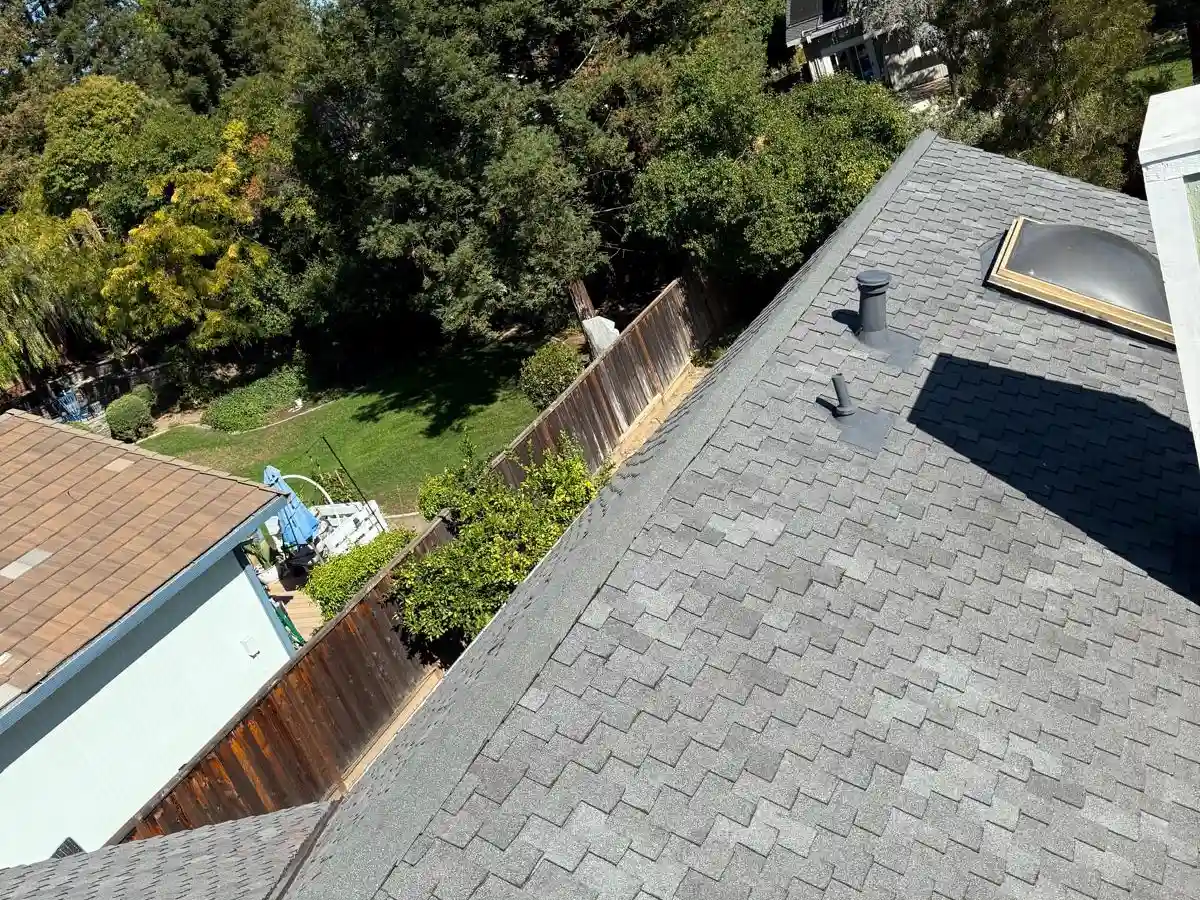
Timing a roof inspection around the Bay Area’s actual weather pattern, rather than an arbitrary calendar date, gets you the most value from each visit.
Fall Inspection: Before the Rainy Season Starts
A fall inspection is the most important roof inspection of the year for most Bay Area homes.
Scheduling it before the rainy season begins gives a contractor time to complete any needed repair while the weather is still dry and contractor availability is easier to work around. Most roofing professionals recommend booking your fall inspection by early October.
Spring Inspections: Checking for Winter Storm Damage
Spring inspections serve a different purpose: confirming whether winter storms caused any roof damage that needs attention before the dry season sets in.
This is also a good time to check gutters, flashing, and any repairs made the previous fall to confirm they held up through the wettest months.
Winter: When Inspections Get Harder to Schedule
Winter is generally not the ideal time to schedule a routine inspection, since active storms make roof access unsafe and contractor schedules fill up quickly with emergency repair calls.
If you notice damage during winter, a storm inspection after the weather clears is still worthwhile, but it’s reactive rather than preventive.
Annual Inspection Timing for Long-Term Roof Health
Even homeowners who can only manage one visit a year should treat an annual inspection as non-negotiable.
A single thorough inspection, timed for early fall, still catches the majority of developing issues before they become major problems for the home.
Signs You Need a Roof Inspection Right Now
Beyond the seasonal schedule, certain signs mean you shouldn’t wait for spring or fall: missing or curling shingles visible from the ground, water stains on interior ceilings, visible sagging, granules collecting in gutters, or daylight visible through the attic.
Any of these warrants a roof inspection regardless of what time of year it is, since delaying rarely makes the underlying damage smaller.
What Happens During a Professional Roof Inspection
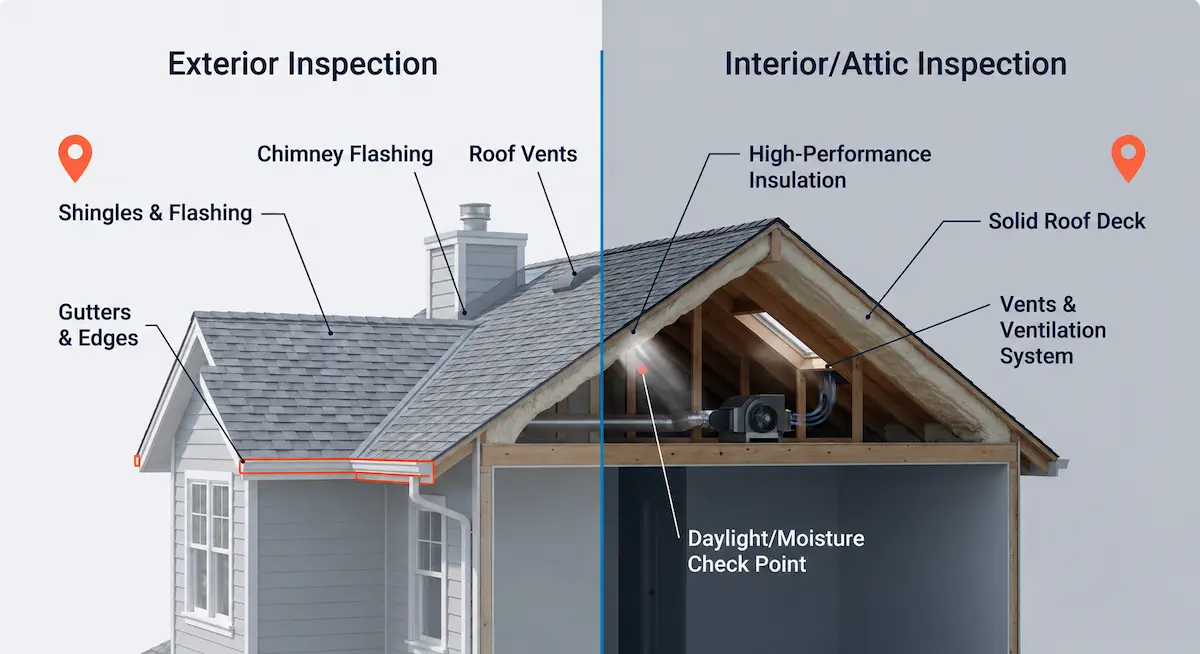
A professional roof inspection generally covers both the exterior and interior of the home, and takes a systematic look at every component of the roofing system.
Exterior Inspection Steps
The exterior inspection covers shingles, flashing, vents, gutters, and the general roof condition from a ladder or, on steeper roofs, from the ground with binoculars and camera equipment.
Inspectors check for lifted or missing shingles, deteriorating flashing around chimneys and skylights, and any visible signs of wear or water damage.
Interior and Attic Checks
Inside, inspectors check the attic for water staining, daylight coming through the roof deck, insulation condition, and any signs of moisture that haven’t reached the ceiling yet.
This interior step is often what separates a quick visual check from a proper roof inspection, since attic-level damage isn’t visible from the ground.
How Long Does a Roof Inspection Take?
A standard roof inspection typically takes thirty minutes to an hour, depending on roof size and complexity.
How long a roof inspection takes for a given home depends mainly on square footage, roof pitch, and how many separate roof sections need to be checked. A larger or more complex roof naturally takes longer to inspect thoroughly than a small, simple one.
Roof Inspection Cost in the Bay Area
Roof inspection cost in the Bay Area varies based on a few consistent factors, but many homeowners are surprised by how affordable a routine inspection is compared to what it can save in avoided repairs.
What Affects Roof Inspection Cost
Roof complexity, home size, roof pitch, and contractor availability all affect the final price.
A steep, multi-section roof takes longer to inspect than a simple single-slope roof, which is reflected in the cost. Inspections scheduled during peak fall demand may also cost slightly more than off-season visits.
Free Roof Inspections vs. Paid Professional Inspections
Some Bay Area contractors offer a free roof inspection as part of a broader sales visit, often tied to a roof replacement estimate.
A paid, independent inspection tends to be more thorough and isn’t tied to selling you a new roof, which some homeowners prefer for an unbiased second opinion. Either option beats skipping the inspection entirely.
Roof Complexity and Contractor Availability
Two factors shape both timing and cost more than anything else: roof complexity and contractor availability.
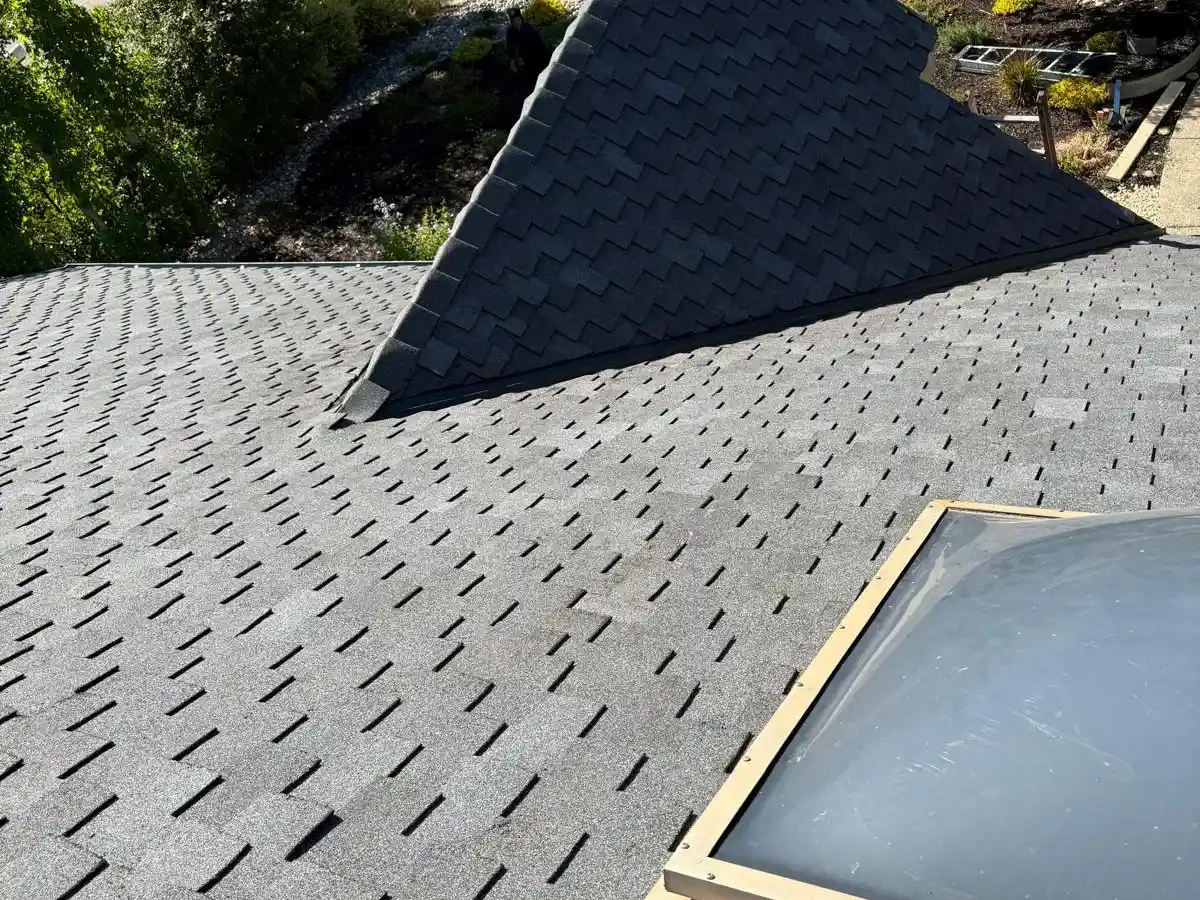
A complex roof with multiple pitches, dormers, or skylights takes longer to inspect properly, and popular contractors book up fast in the weeks before the rainy season. Scheduling early in the season, rather than waiting until the first storm warning, gives you more flexibility on both fronts.
Roof Inspection vs. Roof Replacement Cost
A roof inspection cost is a small fraction of a full roof replacement cost, which is exactly the point.
An inspection that catches a repairable issue early can extend your roof’s usable life by years, delaying the much larger expense of a full roof replacement. Homeowners who treat inspections as routine maintenance rather than an afterthought consistently spend less over the life of their roof.
Repair or Replacement? What an Inspection Tells You
A thorough inspection tells you whether you’re looking at a manageable repair or a full roof replacement.
Isolated damage, a handful of missing shingles, or minor flashing issues usually point to repair. Widespread wear, a roof near the end of its expected roof life, or repeated repairs with no lasting improvement point toward replacement instead.
Storm Inspections After Major Storms
After any of the Bay Area’s major storms, a storm inspection is worth scheduling even if nothing looks obviously wrong from the ground.
Wind and heavy rain can loosen shingles or shift flashing without leaving visible damage from below, and catching that early prevents a small issue from becoming a larger one during the next storm.
Roof Inspections for Real Estate Transactions
Roof inspections also come up regularly in real estate transactions, both for buyers confirming a home’s condition before closing and for sellers who want to address any roof repairs ahead of listing.
A recent inspection report can also support negotiations on either side of the deal, giving both parties a clear, documented picture of the roof’s condition.
San Francisco and Marin: Local Weather Considerations
Weather patterns vary enough across the Bay Area that timing can shift slightly by location.
San Francisco’s fog and coastal wind expose roofs to more sustained moisture, while Marin’s tree cover adds debris and shade-related wear that inland areas of California see less of.
Homeowners in San Francisco and Marin alike still benefit most from the same fall-and-spring rhythm, just with extra attention paid to their area’s specific conditions.
Questions to Ask Before You Book
Before scheduling, it’s worth asking a few questions: Does the inspection include both exterior and interior checks? Is there a written report?
Are free estimates available if repairs are found? What’s included if the inspection uncovers a need for larger roofing projects down the line? A contractor who answers these clearly is usually a good sign.
What to Expect From Roof Inspectors
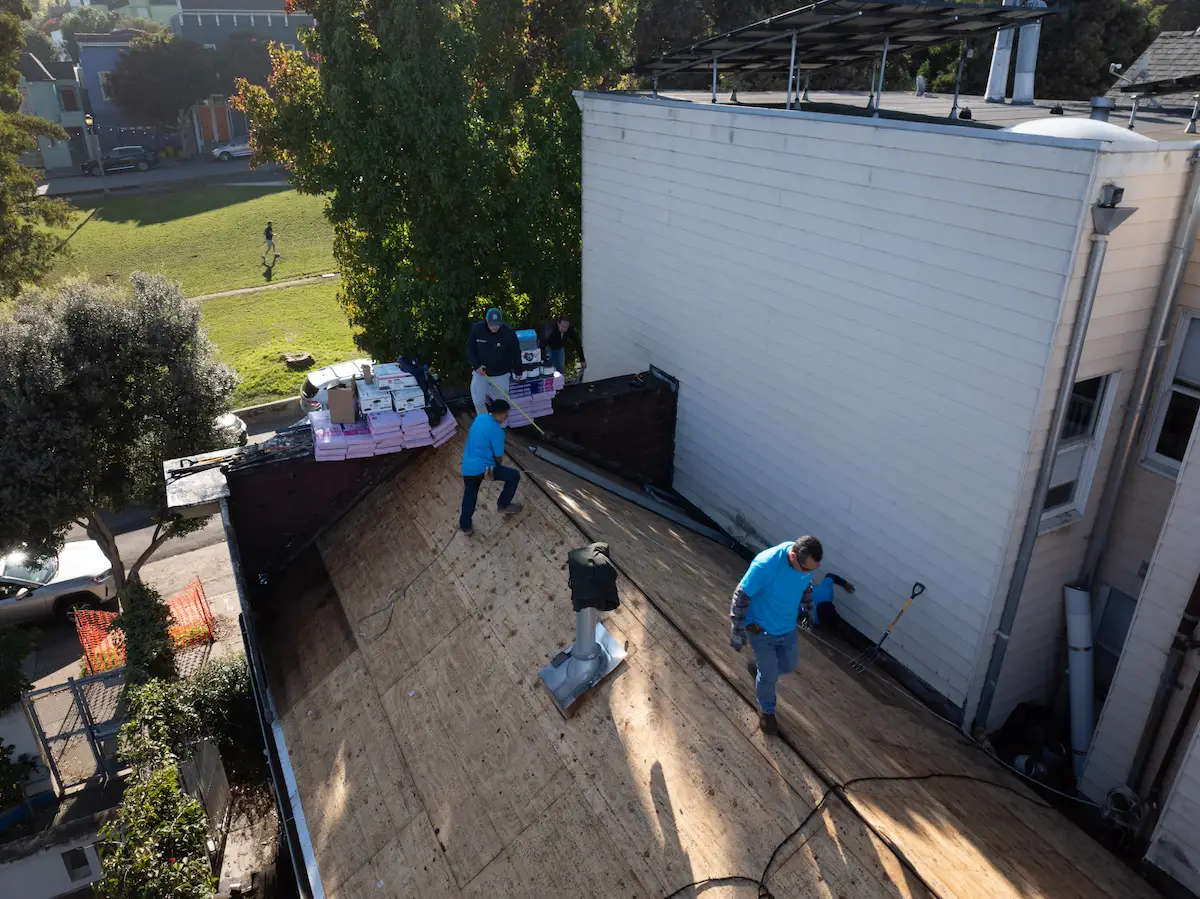
Reputable roof inspectors will walk you through what they found, in plain language, with photos if possible, rather than a vague verbal summary.
They should be able to explain the difference between cosmetic wear and issues that need immediate repair, and give you a realistic timeline if any work is recommended for your home.
How Regular Inspections Extend Your Roof’s Lifespan
Consistent, seasonal maintenance is the biggest factor within a homeowner’s control when it comes to roof lifespan.
Routine inspections and simple home maintenance catch small problems while they’re still cheap to fix, which keeps a roof performing well for its full expected life instead of failing early due to neglected repairs.
Key Takeaways
- Bay Area homeowners should schedule a roof inspection twice a year: fall, before the rainy season, and spring, to check for storm damage.
- Roof inspection cost depends on roof complexity, home size, and contractor availability, and is far less than a roof replacement cost.
- A standard roof inspection takes thirty minutes to an hour, covering both exterior and interior checks.
- Storm inspections after major storms and inspections tied to real estate transactions are worth scheduling outside the regular seasonal rhythm.
- Regular, seasonal inspections are the most reliable way to extend your roof’s lifespan and avoid costly emergency repairs.
Schedule Your Bay Area Roof Inspection Today
If it’s been more than six months since your last roof inspection, now is a good time to book one.
A quick visit today can save you from a much bigger repair once the next storm season arrives.