How to Prep Your Marin County Roof Before Storm Season
Before Marin County’s rainy season arrives, schedule a professional roof inspection, clear gutters and downspouts, trim overhanging branches near the roofline, check flashing and vents for damage, handle any small repairs immediately, and review your insurance policy. Together, these roofing steps make up the core roof storm-prep checklist that catches problems on your roofing while they’re still cheap and easy to fix. This guide covers each step in detail below.
Why Marin County Roofs Need Storm Prep Before the Rains
Marin County’s roofing challenges are shaped by its geography, which is exactly why this guide focuses on local conditions rather than generic national advice. Homes near the coast and along the ridgelines take on heavier wind exposure, while low-lying areas near Novato and San Rafael see the most standing water when gutters clog. Add in mature tree cover throughout much of the county, and you have a recipe for roof damage that shows up fast once storm season starts.
In coastal, hurricane-prone states like Florida, homeowners treat hurricane season roof prep as a non-negotiable seasonal task — trimming trees, securing loose materials, and inspecting flashing before hurricane season winds arrive. Marin County doesn’t experience hurricanes, but the underlying logic is identical: the Pacific storm systems that bring heavy rain and wind to Marin each winter reward the same kind of preparation a hurricane season checklist demands.
When Does Storm Season Start in Marin County?
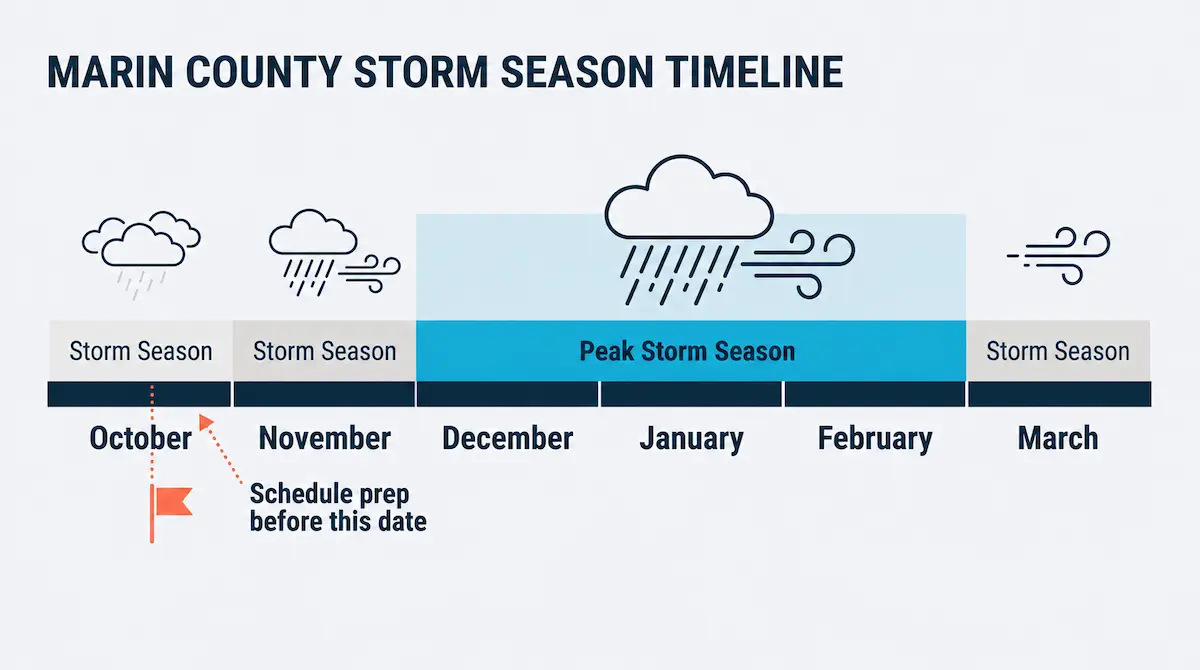
Marin County’s storm season typically runs from late October through March, with the heaviest winter storms usually arriving between December and February. Roofing experts in the county generally recommend completing your roofing preparation by mid-October, before the first significant winter storm rolls in off the coast. San Rafael’s building department and most local roofing companies see a predictable spike in preparation calls every September and October as this window approaches.
The Marin County Roof Storm-Prep Checklist
Here’s the full roofing checklist, broken into individual steps you can work through over a weekend. Think of this guide as your roofing companion for the next few weekends before the rain sets in.
1. Schedule a Professional Roof Inspection
A professional roof inspection is the single most valuable thing you can do before storm season. A trained eye can spot cracked or lifted shingles, deteriorating roofing flashing, and early signs of roof damage that are easy to miss from the ground. Most roofing contractors in Marin — from San Rafael to Novato — offer this as a standalone roofing service, and many will roll the cost into any small repairs found during the visit.
2. Clear Gutters and Downspouts
Clogged gutters are one of the leading causes of roofing and foundation damage during winter storms. Clean gutters let water move off the roof surface and away from the house instead of backing up under shingles or overflowing onto siding and foundations. Clear gutters before the first storm, then check them again mid-season if you have heavy tree cover nearby.
3. Trim Overhanging Branches
Overhanging branches are a major source of wind damage during winter storms, and this guide’s local roofing experts flag them as one of the most overlooked prep steps. A single large branch coming down in high wind can crack shingles, puncture the roof deck, or tear off gutters. Trim back anything hanging directly over the roofline, especially eucalyptus and oak limbs common throughout Marin.
4. Check Flashing, Vents, and Roof Sections for Damage
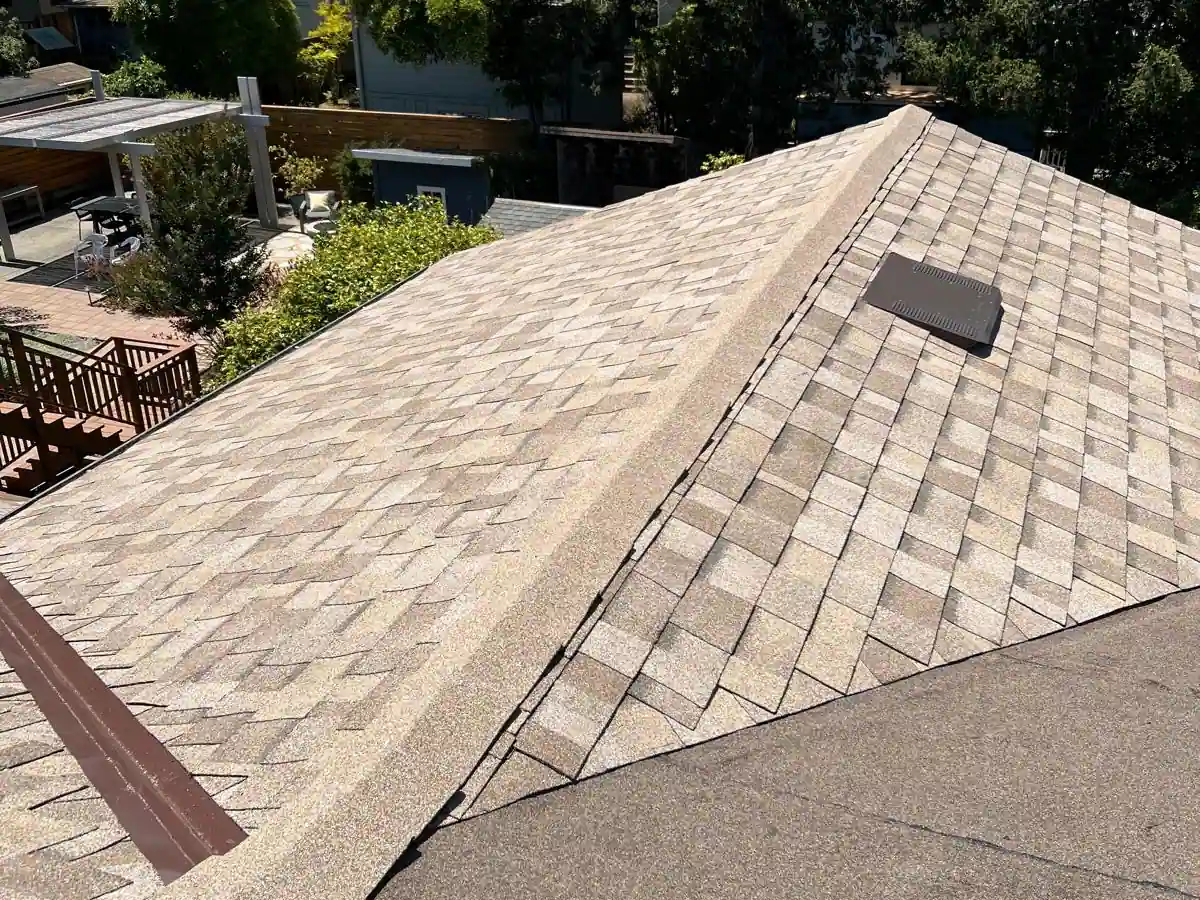
Walk the perimeter of your house and look up at each of the roof sections for lifted shingles, gaps around vents, or roofing flashing that’s pulled away from chimneys and skylights. These are the spots most likely to develop a roof leak once heavy rain arrives, and they’re often visible from the ground with binoculars. San Rafael’s older homes in particular tend to have flashing that’s due for attention.
5. Handle Small Repairs Before They Become Emergencies
Small repairs — a loose shingle, a gap in flashing, a soft spot near a vent — are inexpensive roofing fixes in dry weather and expensive to fix mid-storm. Addressing repairs now, before the first storm, is almost always cheaper than waiting for a leak to force an emergency roof repair later. A quick roof repair in October beats an emergency roof repair in January every time.
6. Review Your Insurance Policy
Before storm season begins, take a few minutes to review your insurance policy and confirm what wind and water damage is actually covered — this guide isn’t a substitute for reading your actual policy language. Take dated photos of your roof’s current condition so you have a clear “before” record if you ever need to file a claim after a storm.
Winter Roof Maintenance Tips for Marin Homeowners
This guide’s checklist covers the pre-storm basics, but a few winter roof maintenance habits keep small issues from building up over a long, wet season. Check your attic after the first two or three storms for any signs of moisture, staining, or a musty smell — these are early warning signs of a roofing leak that hasn’t shown up on the ceiling yet. Keep an eye on gutters throughout the winter, since debris tends to accumulate again even after an initial fall cleaning, and check the attic once more toward the end of the season.
Signs of Roof Damage After a Storm
After any significant winter storm, walk your property and check for granules collecting in gutters or downspouts, roofing shingles that have shifted or gone missing, new water stains on ceilings, and debris caught on the roof surface. Catching storm damage early, before the next system arrives, keeps a small roofing repair from turning into a much larger project.
What to Do About Wind Damage and a Roof Leak
If you spot wind damage — lifted shingles, exposed underlayment, or debris punctures — get roofing experts out for a storm inspection as soon as the weather allows. If you’re dealing with an active roof leak, a temporary tarp can limit interior damage until repairs can be made safely, but this should be treated as a stopgap, not a fix.
When to Call for Emergency Roof Repair
Some situations call for emergency roof repair rather than waiting for a scheduled appointment: active leaking during a storm, a large section of missing shingles, visible structural sagging, or a tree limb resting on the roofing. Most established roofing contractors in the county offer some form of emergency roofing response during storm season for exactly these situations, and a fast roof repair in the moment can prevent a much larger claim later.
Roofing Materials That Hold Up Best in Marin’s Winter Storms
This guide wouldn’t be complete without a word on materials. Asphalt shingles remain the most common roofing material in Marin County and perform well when properly installed and maintained. Metal roofing is worth considering for homes with heavy wind exposure or extensive tree cover, since it handles wind uplift and debris impact better than shingles over the long run. If you’re due for a full roof replacement in the next few years, it’s worth discussing both options with a roofing contractor before committing.
Storm Prep for San Rafael, Novato, and the Rest of Marin County
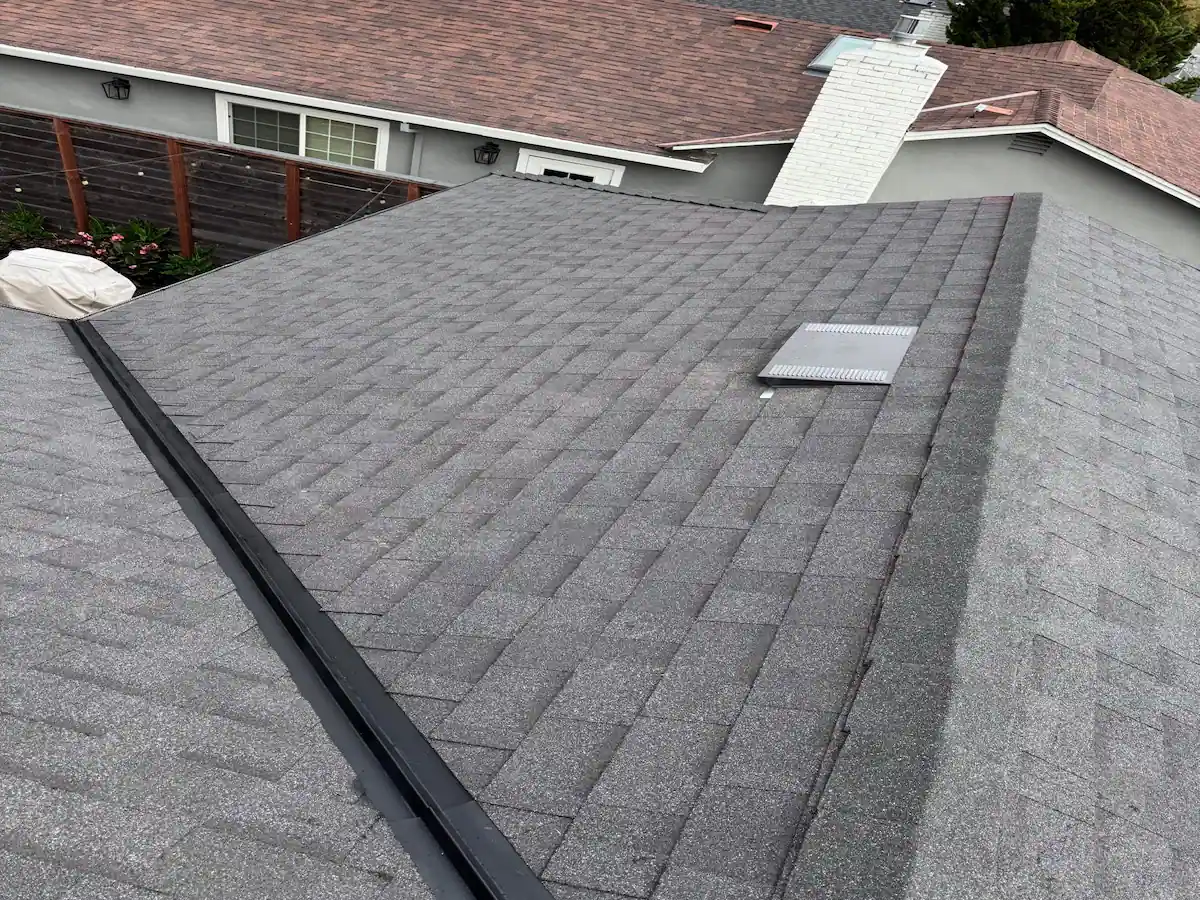
Storm prep needs vary a bit across the county. San Rafael’s older housing stock means more roofs are due for attention, while Novato’s newer developments tend to have younger roofing but often sit closer to open, wind-exposed terrain. Homeowners in Marin County along the coast and in the hills should pay particular attention to wind exposure, while those in low-lying areas near creeks should prioritize gutters and drainage.
Choosing a Roofing Contractor in Marin County: A Quick Guide
Not every roofing contractor is equipped to handle Marin’s terrain, tree cover, and older housing stock, so it pays to be selective before storm season narrows your options. Look for a roofing contractor with genuine San Rafael and Novato experience, not just a roofing company that serves the wider Bay Area in passing. Ask how many roofing crews they run locally, whether they carry active insurance, and how quickly they can respond during storm season if your roofing takes damage.
A reputable roofing contractor should be comfortable walking you through your roofing system’s current condition, realistic costs for repairs versus a full roof replacement, and a clear preparation timeline for both routine maintenance and emergency roof repair. Local roofing experts across San Rafael, Novato, Mill Valley, and the rest of Marin County typically stay busiest in the weeks right before the first major storm, so scheduling your preparation early gives you more roofing options and better availability.
As mentioned earlier in this blog, this guide is meant as a starting point for your roofing preparation, not a substitute for an in-person assessment — every roof, and every roofing system, ages differently depending on materials, slope, and sun exposure.
What Marin County Roofing Experts Recommend
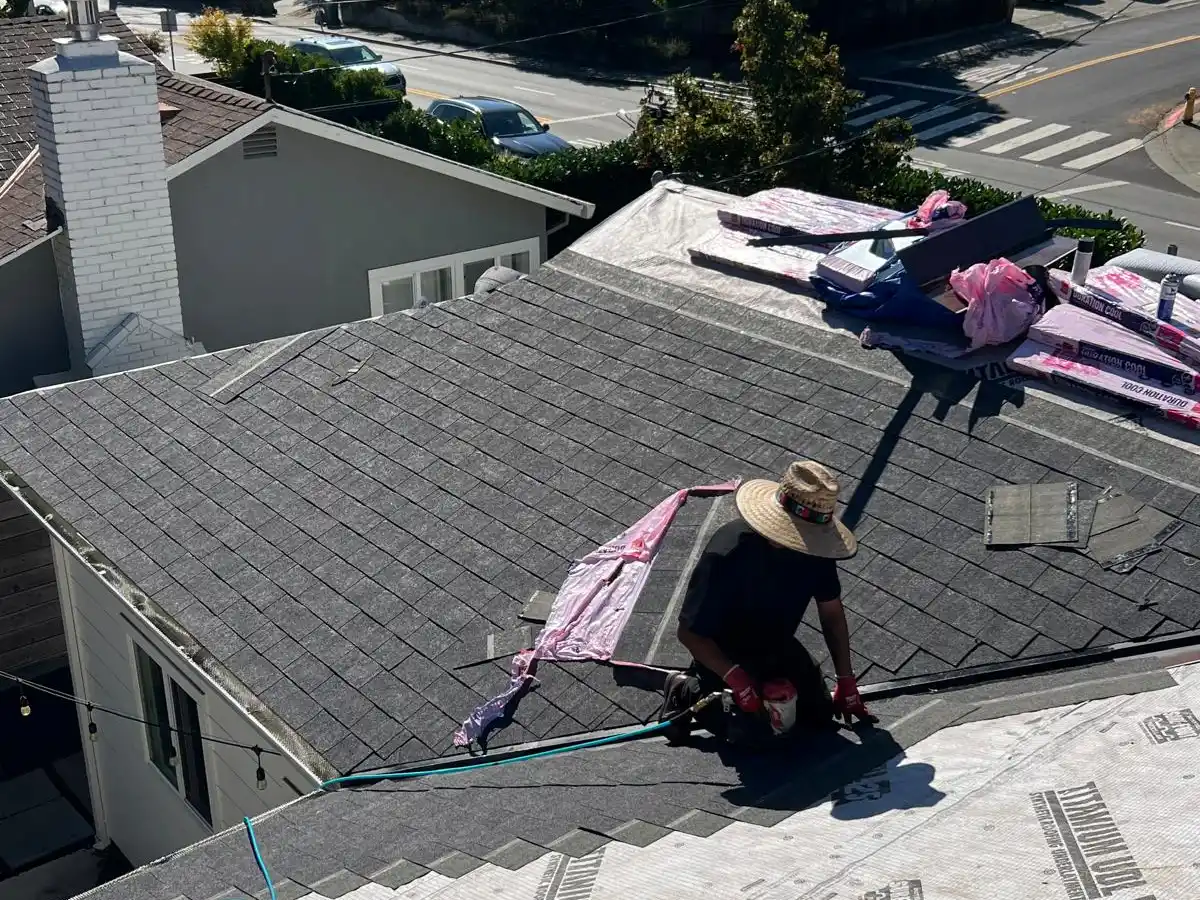
Local roofing experts consistently point to the same pattern: most emergency calls during storm season trace back to something that was visible, and fixable, weeks earlier. A short list of preparedness steps each fall — inspection, gutters, trees, flashing, insurance — prevents the vast majority of storm-related roof repair calls county-wide.
Key Takeaways
This guide boils down to a few core ideas worth remembering:
- A complete Marin County roof storm-prep checklist covers inspection, gutters, tree trimming, flashing, small repairs, and insurance review.
- Marin’s storm season runs roughly late October through March, with the heaviest storms typically in December through February.
- Marin County doesn’t get hurricanes, but the same seasonal prep logic used in hurricane-prone states like Florida applies to the winter storm season here.
- Handling small repairs early is consistently cheaper than waiting for storm damage to force an emergency roof repair.
- San Rafael, Novato, and other Marin communities each have slightly different storm-prep priorities based on tree cover, terrain, and roof age.
Ready for Storm Season? Schedule Your Roof Inspection
Don’t wait for the first storm to find out where your roofing needs attention. Use this guide’s checklist, talk to local roofing experts if anything looks questionable, and head into storm season with confidence instead of a list of repairs made in the rain.