What Happens During a Roof Replacement
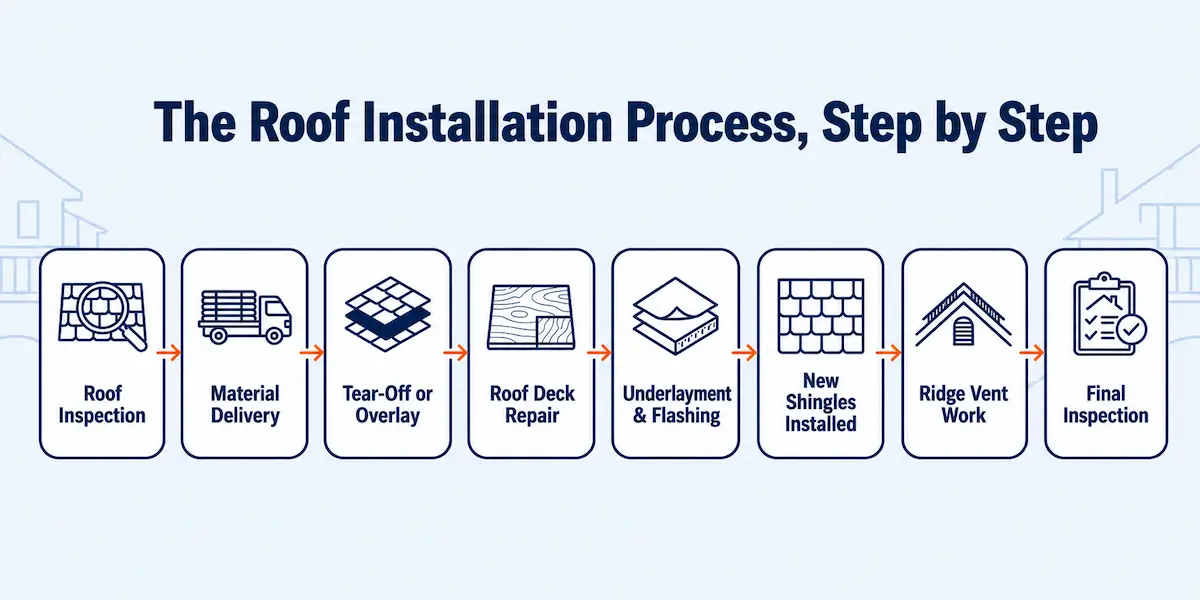
A roof replacement typically takes one to three days and follows a consistent sequence: inspection, material delivery, removal of old shingles (or an overlay directly on top of them), roof deck repair if needed, installation of underlayment and flashing, new shingles, ridge vent and roof ridge work, cleanup, and a final inspection. A full tear-off removes every old layer down to the roof deck before installing new roofing materials, while an overlay installs new shingles directly over one existing layer. Tear-off costs more upfront but gives a roofing contractor the chance to catch structural damage an overlay would hide.
Reroofing at a Glance
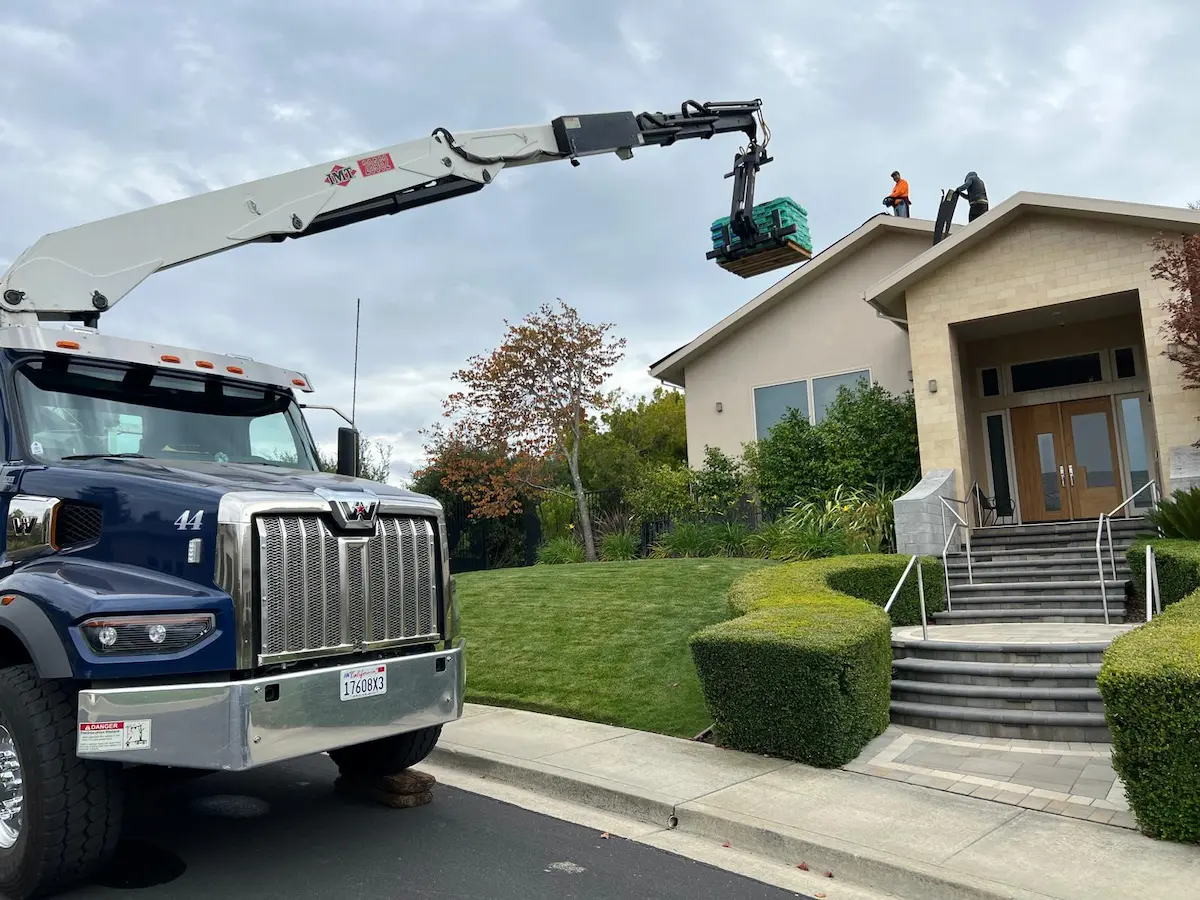
Reroofing is the general term for replacing a roofing system, and it covers two very different approaches: overlay and full tear-off. Both result in a new roof, but they differ in cost, longevity, and how much of the original roof deck gets inspected along the way. Most roofing professionals recommend a full tear-off in most situations, reserving overlays for specific, limited circumstances. The replacement process you choose will shape how your home performs for decades, so it’s worth understanding both paths before reroofing begins.
What Is Reroofing?
Before comparing overlay and tear-off, it helps to cover the basics. Reroofing simply means replacing the roofing system on a house, whether through a partial roof replacement of a single section or a complete roof replacement covering the entire structure. Homeowners typically consider reroofing when shingles are curling, cracking, or missing granules, when there’s visible water staining on interior ceilings, or when a roof is simply at the end of its expected lifespan.
Unlike a small repair, which patches an isolated issue, a full roof replacement addresses common roof problems all at once: shingles, underlayment, flashing, and ventilation. This is also the point where many homeowners start comparing different roofing options for materials, not just installation methods. Reroofing an occupied home takes some planning, since your family will be living there while crews are on the roof each day.
Overlay vs. Tear-Off: What’s the Difference?
The single biggest decision in any roof replacement project is whether to do an overlay or a full tear-off. Both are legitimate methods, but they solve different problems and suit different situations.
What Is an Overlay Roof Installation?
An overlay roof installation involves laying a new layer of shingles directly over the existing layer, without removing the old roofing. This method is faster and less expensive than a full tear-off, since there’s no demolition or disposal of old materials involved.
The tradeoff is that an overlay only works if the roof deck is in good condition and if the home doesn’t already have two layers of shingles — most building codes cap roofs at two layers total. An overlay also hides the roof deck from inspection, meaning any hidden structural damage or rot goes unaddressed and unnoticed until it becomes a bigger, more expensive roof problem later.
What Is a Full Tear-Off Roof Replacement?
A full tear-off roof replacement removes every existing layer of shingles down to the bare roof deck. This gives a roofing contractor a direct look at the plywood or OSB sheathing underneath, so any water damage, rot, or structural damage can be found and repaired before new materials go on.
A tear-off costs more than an overlay and takes a bit longer, but it’s the only method that lets you fully inspect and repair the roof deck, install fresh underlayment and flashing throughout, and start your new roof’s warranty with a clean foundation. For most homes, especially older ones, a tear-off is the safer long-term choice.
The Roof Installation Process, Step by Step
Every roof installation process follows a similar sequence of steps, whether it’s a small partial roof replacement or a complete roof replacement across the whole house.
Roof Inspection and Preparation
The process begins with a roof inspection, ideally a free roof inspection offered by most roofing contractors. During this visit, a roofer checks the condition of the shingles, flashing, vents, and roof deck, and identifies any structural damage that needs to be addressed. This is also when your contractor will walk you through roofing materials, financing options, and a realistic timeline based on weather in your area.
Preparation on installation day includes protecting landscaping, setting up material staging, and reviewing safety plans for the crew.
Tear-Off: Removing the Old Shingles
If you’ve chosen a full tear-off, the crew begins by stripping the old shingles off the roof, layer by layer, down to the roof deck. This step generates the most noise and debris, and it’s the point where hidden issues — soft spots, old water stains, or damaged sheathing — become visible for the first time.
Roof Deck Repair and Flashing
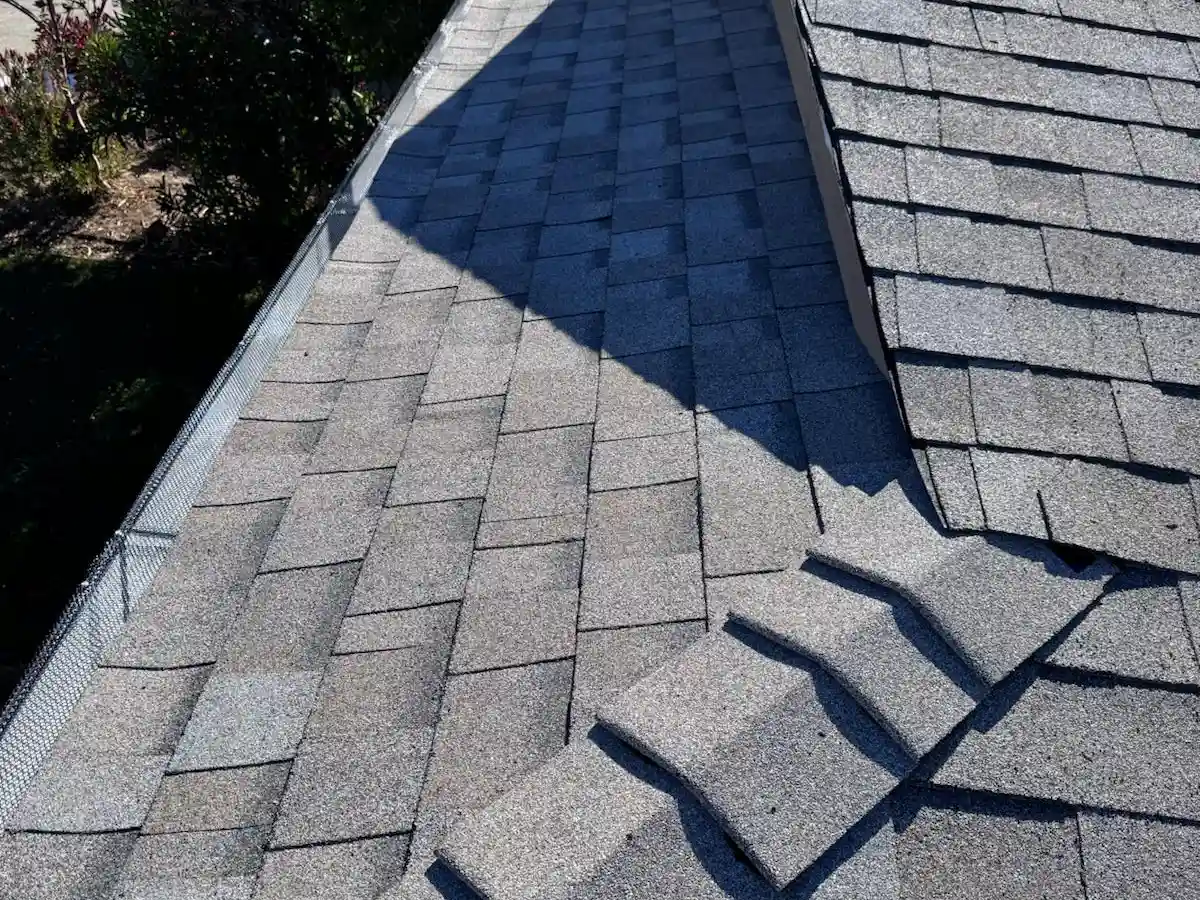
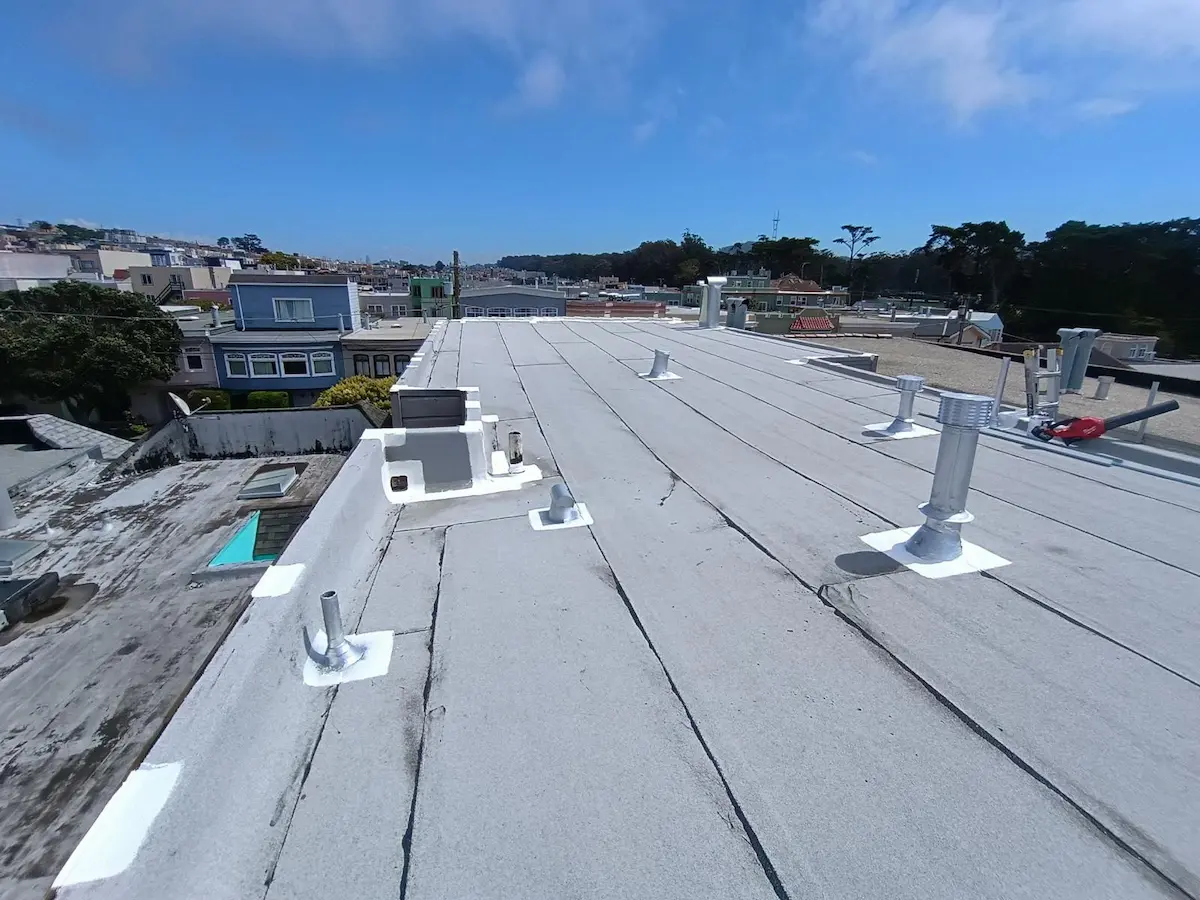
Once the old shingles are off, any damaged sections of the roof deck are repaired or replaced. New underlayment goes down next, followed by flashing around chimneys, skylights, and valleys, with roofing sealant applied at penetrations to keep water from working its way underneath. Valley flashing is one of the most common places roofs develop leaks, so this step deserves particular attention from an experienced roofing contractor.
Installing Starter Shingles and New Shingles
Starter shingles go down first along the eaves to anchor the rest of the roofing materials and prevent wind uplift. From there, the crew installs new shingles course by course, working up toward the roof ridge.
Ridge Vent and Roof Ridge Work
Near the top of the roof, a ridge vent is installed along the roof ridge to allow proper attic ventilation. Roof vents throughout the field of the roof work together with the ridge vent to regulate temperature and moisture in the attic, which directly affects the lifespan of your new roof.
Final Inspection
The project wraps with a final inspection, where the crew — and often a local building inspector — confirms flashing, vents, and shingles were all installed correctly and that your home and job site have been cleaned up.
Choosing the Right Roofing Material
Picking the right roofing material matters just as much as the installation itself. Asphalt shingles remain the most common choice for most houses because they balance cost, durability, and appearance well, but they aren’t the only option.
Asphalt Shingles vs. Metal Roofs
Asphalt shingles are typically the most affordable option and are available in a wide range of styles and colors, with a lifespan that varies depending on climate and shingle quality. Metal roofs cost more upfront but tend to outlast asphalt significantly and hold up better against severe weather. A roofing professional can help you weigh the type of roof that fits your budget, climate, and how long you plan to stay in the house.
Roof Replacement Cost and Additional Costs
Roof replacement cost varies widely based on square footage, roof pitch, material choice, and whether the project is an overlay or a full tear-off. A steep roof pitch, multiple layers of old shingles to remove, or unexpected roof deck repair can all add additional costs beyond the initial estimate.
Ask your roofing contractor for an itemized quote that separates labor, materials, disposal, and any potential extra work for structural damage, so there are no surprises once the project is underway for your home. Many contractors also offer financing options for homeowners who prefer to spread out roofing costs over time.
Can You DIY a Roof Replacement?
A DIY roof replacement is technically possible for a small, simple structure, but it’s not something most homeowners should attempt on an occupied house. Roofing work involves real fall risk, and mistakes with flashing or underlayment often aren’t visible until a leak shows up months later.
If you’re considering a DIY roof project, at minimum get a professional roof inspection first, and understand that a warranty on materials typically requires professional installation to remain valid. For most homeowners, hiring a licensed roofing contractor protects both your safety and your investment.
Signs You Need a Full Roof Replacement
Not every roof problem calls for a complete roof replacement. Here are the signs on your home that typically mean it’s time:
- Shingles are curling, cracking, or missing granules across large sections of the roof
- You can see daylight through the roof deck from inside the attic
- There’s visible structural damage, sagging, or soft spots underfoot
- Your roof is near or past its expected lifespan for its material type
- You’ve needed multiple repairs in the past year with no lasting improvement
If you’re only seeing one or two of these signs in a small area, a repair may be enough for now — a full roof replacement isn’t always necessary.
Roofing Warranty and Maintenance Tips
Most manufacturers offer a warranty on roofing materials, and many contractors add a separate workmanship warranty covering the installation itself. Read both carefully, since coverage and length vary.
A few simple maintenance tips can extend the life of a new roof and protect the rest of your home: clear debris from valleys and gutters each season, trim overhanging branches, and schedule a roof inspection every couple of years even if nothing looks wrong. Catching a small issue early is almost always cheaper than waiting for it to become a full roof replacement.
Building Codes and Choosing a Roofing Contractor
Local building codes govern how many layers of shingles a roof can have, ventilation requirements, and flashing standards, which is one more reason a full tear-off is often the safer route on an older house. A qualified roofing contractor will already know these requirements and pull the correct permits before work begins.
When choosing a contractor for your roofing project, ask about licensing, insurance, workmanship warranty terms, and whether they’ll provide references from recent local jobs. A reputable contractor should be glad to answer these questions and walk you through the entire process before you sign anything.
Key Takeaways
- Reroofing means replacing your roofing system, either through an overlay (new shingles over old) or a full tear-off (down to the roof deck).
- A full tear-off costs more but allows inspection and repair of the roof deck, making it the safer choice for most houses.
- The roof installation process follows a consistent sequence: inspection, tear-off or overlay, deck repair, flashing, shingles, ridge vent work, and final inspection.
- Roof replacement cost depends on material, roof pitch, and whether additional repairs are needed once old shingles come off.
- A DIY roof replacement carries real risk and can void your warranty — most homeowners are better served by a licensed roofing contractor.
Ready to Schedule a Free Roof Inspection?
If your roof is showing signs of wear, don’t wait for a small problem to turn into structural damage. Schedule a free roof inspection with a local, licensed roofing contractor to get a clear picture of your options, an honest cost estimate, and a straightforward plan for your next roof replacement.