How Atmospheric Rivers Damage Roofs
An atmospheric river is a long, narrow band of concentrated water vapor in the atmosphere that funnels moisture from the tropics toward the West Coast, releasing it as heavy rain and rainfall once it reaches California. For roofs, that means sustained heavy precipitation, high winds, and hours of saturation that can lift shingles, overwhelm gutters, and force water into gaps a lighter storm would never find. Flooding, debris flow on hillside properties, and wind-driven damage are the most common roof-related impacts homeowners report after a strong atmospheric river.
What Is an Atmospheric River?
An atmospheric river is essentially a river of water vapor moving through the atmosphere, sometimes carrying more water than the Mississippi River carries at its mouth. These moisture plumes form over the tropics and stretch thousands of miles across the Pacific before making landfall along the West Coast, releasing much of that moisture as rain and rainfall once they hit the coastal mountains of California. The strength of an atmospheric river is often ranked on a scale similar to hurricane categories, running from weak systems that bring welcome rain to extreme events capable of record-setting precipitation totals over just a few days. A weaker atmospheric river might pass through with modest rain and little disruption, while a strong one can rival the total rainfall of an entire ordinary month.
Atmospheric rivers aren’t the same as a hurricane or tornado — they’re a distinct category of extreme weather, more closely related to extratropical cyclones than tropical systems, but capable of delivering extreme rainfall totals in a short window. The National Weather Service forecast for a strong atmospheric river often includes inches of rain over just a day or two.

Why the Bay Area and West Coast Are Especially Vulnerable
The San Francisco Bay Area sits directly in the path of many atmospheric rivers moving in off the Pacific each winter, making it one of the more exposed parts of the West Coast for this kind of storm. San Francisco and the surrounding coast regularly see a significant share of their annual precipitation arrive during just a handful of atmospheric river events each season.
Watersheds throughout Northern California funnel that concentrated rainfall quickly, which is part of why flooding and debris flow become real concerns even from storms that pass through in a day or two. Strong winds accompanying these systems add a second layer of risk on top of the rain itself.
How Atmospheric River Storms Damage Roofs
Roof damage during an atmospheric river usually comes from a combination of factors working together rather than any single cause. Heavy rain sustained over many hours saturates roofing materials and overwhelms gutters and drainage, while high winds and occasional hail put additional stress on shingles, flashing, and vents. Severe storms with strong winds can lift or crack roofing materials that would otherwise hold up fine in ordinary rain.
The water cycle during an atmospheric river also means saturated ground and swollen watersheds can contribute to roof and foundation issues even after the rain itself has stopped, as runoff and standing water continue to find their way into vulnerable areas of a property.
Flooding, Debris Flow, and Water Extremes
Atmospheric rivers are known for producing genuine water extremes — moving quickly from drought conditions to significant flooding within the same storm system. Flooding around a home’s roofline, gutters, and foundation is one of the most common consequences, along with debris flow risk on sloped properties where saturated soil and vegetation can no longer hold in place. Localized flooding tends to show up first in areas with poor drainage: low points in a yard, undersized gutters, or downspouts that empty too close to the foundation. When heavy rainfall arrives faster than a property’s drainage system can move it, flooding can back water up against the base of exterior walls and, in older homes, occasionally into crawl spaces beneath the roofline itself.
These flood risks compound roof damage indirectly: water that can’t drain properly backs up under shingles and flashing, turning a routine storm into a source of interior damage as well. Flooding downstream of a property can also affect access for repair crews in the days immediately following a major atmospheric river, which is one more reason addressing minor roof issues before flooding season begins is worth the effort.
Signs of Roof Damage Homeowners Should Watch For
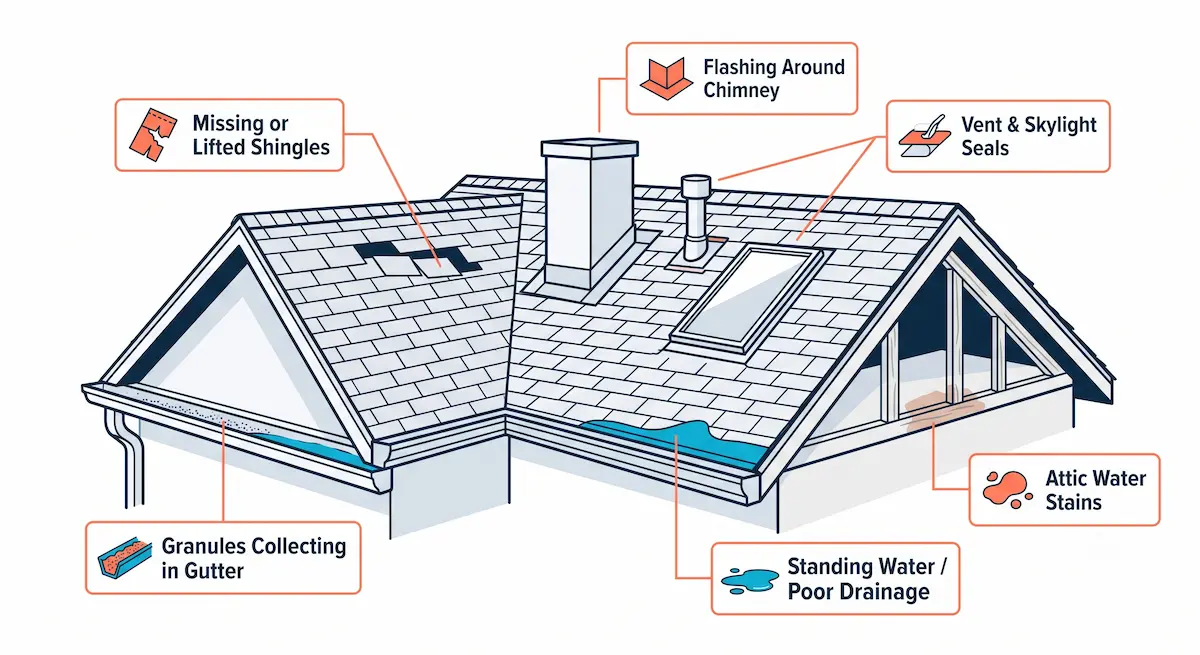
After an atmospheric river passes, homeowners should check for missing or lifted shingles, granules collected in gutters, water stains on ceilings, and any debris lodged on the roof surface from high winds. Standing water anywhere on the roof, rather than clear drainage, is a sign gutters or roof pitch need attention before the next storm arrives.
It’s also worth checking the attic soon after a storm, since a slow leak from wind-driven rain often shows up there before it reaches a visible ceiling stain. A flashlight check around chimneys, vents, and skylights takes only a few minutes and can catch a developing problem well before the next atmospheric river brings another round of heavy rain to the region.
Atmospheric Rivers, Climate Change, and What’s Ahead
Climate change is expected to intensify atmospheric river activity along the West Coast, with warming ocean temperatures feeding more water vapor into these systems and increasing the odds of catastrophic impacts from extreme rainfall events. Climate researchers generally expect California’s future storm seasons to bring fewer, more intense atmospheric rivers rather than steady, moderate rainfall spread evenly across winter.
For homeowners, that trend means roof maintenance and storm-readiness matter more over time, not less, as western weather patterns continue shifting toward these concentrated, high-impact events.
Protecting Your Roof Before the Next Atmospheric River
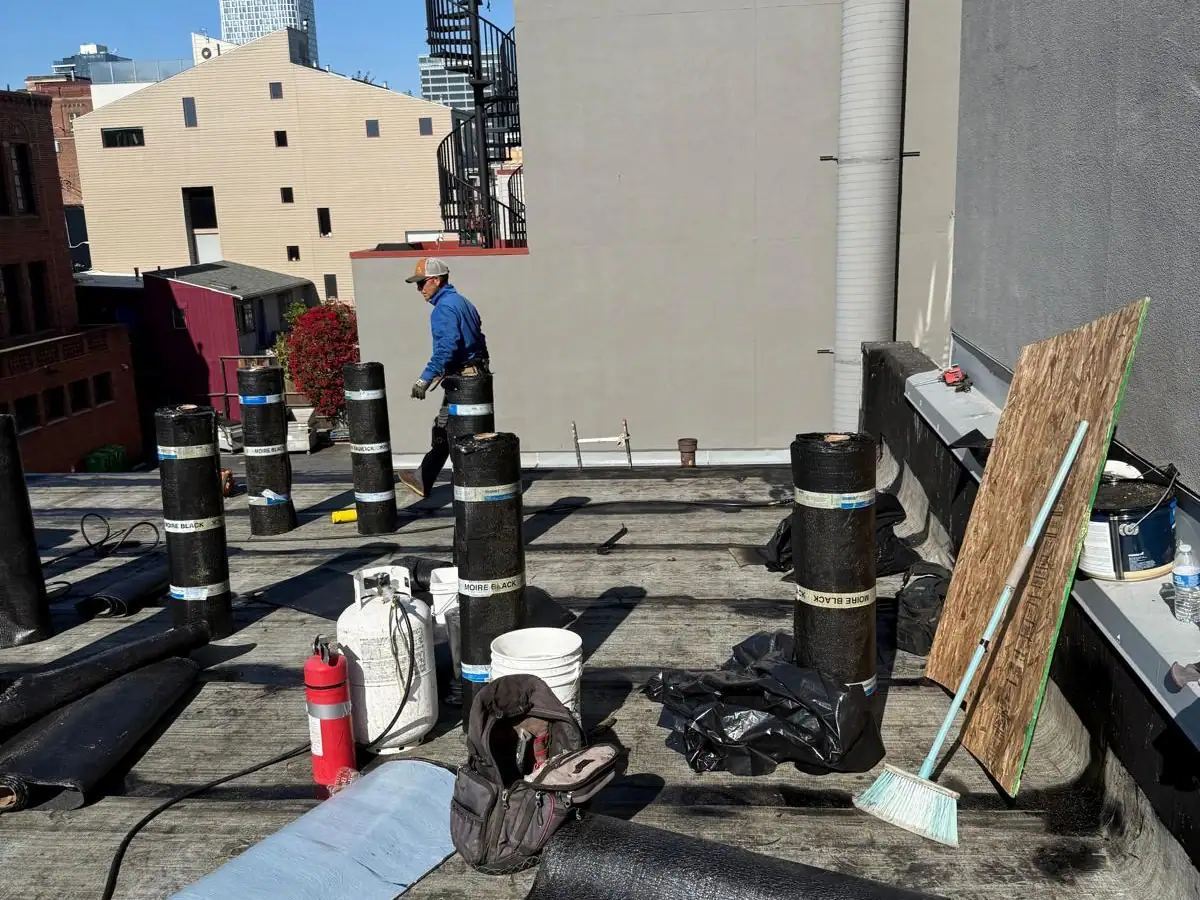
Understanding how atmospheric rivers damage roofs is the first step toward protecting your home. Clear gutters, trim overhanging trees, and schedule a roof inspection before storm season builds, so your roof is ready when the next atmospheric river reaches the Bay Area.